The companion book
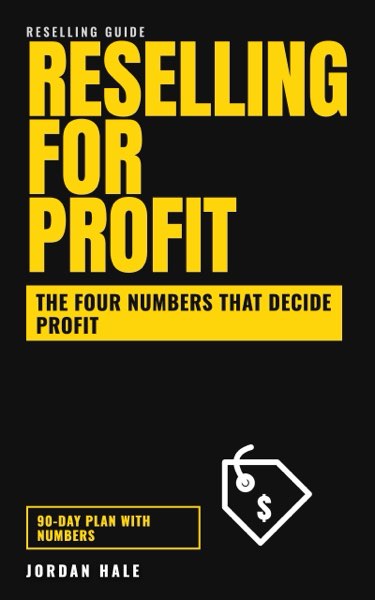
by Jordan Hale
How to source, price and ship secondhand goods on eBay, Poshmark and Mercari, track sell-through rate and profit per hour, and handle the taxes.
What Is Thrift Reselling?

Thrift reselling is the art of finding undervalued items at thrift stores, garage sales, estate sales, and other secondhand sources, then reselling them for profit on online marketplaces. It's a treasure-hunting business where your knowledge and eye for value directly translate into earnings.
The reselling economy has exploded in recent years, driven by sustainability trends, the rise of online marketplaces, and increasing consumer comfort with secondhand goods. Platforms like eBay, Poshmark, Mercari, and Facebook Marketplace have made it easier than ever to reach buyers worldwide from your living room.
The Economics of Flipping
A skilled reseller might buy a designer jacket for $8 at Goodwill and sell it for $75 on Poshmark. After fees and shipping, that's $40+ profit from a single item. Find 10 items like this per week, and you're earning $400+ in side income from a few hours of thrifting and listing.
The beauty of reselling is its scalability and flexibility. You can start with $50 and a smartphone. Work whenever it fits your schedule. Scale up as you learn what sells and develop your sourcing network. Many resellers eventually build six-figure businesses from their initial side hustle.
Where to Source Items
Success in reselling starts with finding the right inventory at the right price. Here are the best sourcing locations:
Thrift Stores
Goodwill, Salvation Army, Savers, local charity shops. The classic source, consistent inventory, fixed pricing, and regular restocking. Learn your local stores' restock days.
Typical ROI: 200-400%
Estate Sales
Often feature vintage, antique, and high-quality items. Prices can be negotiated, especially on final days. Check estatesales.net for local listings.
Typical ROI: 300-600%
Garage/Yard Sales
Hit-or-miss but can yield incredible finds. Go early for best selection. Negotiate, sellers often want items gone. Check Craigslist and Facebook for listings.
Typical ROI: 400-1000%
Facebook Marketplace
People listing items below market value. Great for furniture, electronics, and large items. Negotiate and be ready to pick up quickly.
Typical ROI: 100-300%
Auctions
Storage unit auctions, estate auctions, and liquidation auctions. Higher risk but potential for bulk buying at extreme discounts. Research before bidding.
Typical ROI: Variable
Retail Arbitrage
Finding clearance items at retail stores to resell at full price. Target, Walmart, and Kohls clearance sections. Use scanning apps to check profitability.
Typical ROI: 50-150%

What to Look For
Developing an eye for valuable items takes time, but these guidelines accelerate your learning:
Brand Recognition
High-end and vintage brands command premium prices. Learn to recognize Coach, Kate Spade, Lululemon, Patagonia, vintage Levi's, Nike, Pyrex, KitchenAid, and similar quality brands in your niche. Brand knowledge is your competitive advantage.
Quality Materials
100% wool, cashmere, silk, and leather items typically resell well regardless of brand. Check fabric content tags. Heavy, well-constructed items usually indicate quality. If it feels expensive, it might be.
Vintage Indicators
Made in USA tags, union labels, certain zipper styles, and specific design elements signal vintage pieces. Vintage often commands higher prices than modern equivalents. Learn era-specific markers for your categories.
Condition Assessment
Check for stains, holes, wear, and damage. Minor flaws can be acceptable if priced accordingly. Some items can be cleaned or repaired profitably. Know when a flaw is a dealbreaker versus a minor deduction.
Scan & Research
Use your phone to scan barcodes or search item descriptions on eBay. Check SOLD listings, not active listings, to see actual selling prices. The few seconds spent researching prevents costly buying mistakes.
Profitable Categories

While almost anything can be resold profitably, certain categories consistently deliver strong returns:
Clothing
- Designer brands (Coach, Kate Spade)
- Vintage band tees
- Lululemon/Athleta
- Vintage Levi's
- Cashmere/wool sweaters
Electronics
- Vintage video games
- Cameras (film & digital)
- Audio equipment
- Vintage Apple products
- Test equipment
Home & Kitchen
- Vintage Pyrex
- Cast iron cookware
- Le Creuset
- Mid-century decor
- Vintage pottery
Books & Media
- Textbooks
- First editions
- Out-of-print titles
- Vintage magazines
- Art books
Toys & Collectibles
- LEGO sets
- Vintage toys
- Trading cards
- Action figures
- Board games
Sports & Outdoor
- Golf clubs
- Vintage sports memorabilia
- Camping gear
- Fishing equipment
- Brand name athletic wear
Niche Specialization
Most successful resellers specialize in 2-3 categories where they develop deep expertise. You'll learn to spot valuable items instantly, understand pricing nuances, and build a reputation that attracts repeat buyers.
Selling Platforms
Each platform has different audiences, fee structures, and selling dynamics. Here's how to choose:
eBay
~13% feesThe largest marketplace with buyers for everything. Best for electronics, collectibles, vintage items, and niche products. Auction and fixed-price options. Global buyer pool means higher prices possible.
Best for: Electronics, collectibles, rare items, international sales
Poshmark
20% fee (over $15)Fashion-focused platform with strong community. Simple flat-rate shipping. "Posh Parties" create engagement and visibility. Social features reward active users with more exposure.
Best for: Women's clothing, designer brands, shoes, accessories
Mercari
10% feeEasy listing process, lower fees than Poshmark. Good for general merchandise, toys, home goods. Local pickup option available. Growing user base with less competition than eBay.
Best for: General merchandise, toys, home goods, quick sales
Facebook Marketplace
0-5% feesBest for local sales and large items. No shipping hassle for furniture and heavy goods. Quick sales but often lower prices. Shipping option available with buyer fees.
Best for: Furniture, large items, local sales, quick flips
Depop
10% feeTrendy platform popular with Gen Z. Strong for vintage, streetwear, and unique fashion items. Instagram-like interface rewards good photography. Active, engaged buyer base.
Best for: Vintage clothing, streetwear, Y2K fashion, unique pieces
Pricing Strategies
Pricing correctly maximizes both profit and sell-through rate. Here's how to approach it:
Research Sold Listings
Always check SOLD prices, not active listings. Active listings show what sellers want; sold listings show what buyers pay. Use eBay's "Sold Items" filter and Poshmark's "Sold" search.
Calculate Your Minimum
Factor in: purchase price + platform fees + shipping supplies + your time. Know your floor before listing. If math doesn't work at current sold prices, don't buy the item.
Price for Negotiation
Many platforms feature offer buttons. Price 15-20% above your target to leave room for negotiation. Accepting offers can move inventory faster than holding firm.
Consider Time Value
An item that sits for 6 months at $50 might be better sold at $35 in a week. Cash flow and inventory turnover matter. Don't fall in love with high list prices.
The 3x Rule
Aim to sell items for at least 3x your purchase price to ensure healthy profits after fees and shipping. A $5 thrift find should target $15+ selling price. This margin provides buffer for offers, promotions, and the occasional dud.
Photography & Listings

Great photos and compelling descriptions significantly impact your sell-through rate and prices. Here's how to nail them:
Lighting Is Everything
Natural daylight produces the best results. Shoot near a window on overcast days or use a simple light box. Avoid harsh shadows and yellow indoor lighting. Consistent lighting across all listings looks professional.
Clean, Simple Backgrounds
White or neutral backgrounds make items pop. A white sheet, foam board, or dedicated photo area works well. Avoid cluttered backgrounds that distract from the item.
Multiple Angles
Show front, back, sides, and details. Include brand tags, size labels, and any flaws. Buyers want to see exactly what they're getting. More photos = fewer questions and returns.
Keyword-Rich Titles
Include brand, size, color, style, and descriptive keywords. "Vintage Levi's 501 Button Fly Jeans 32x30 Made in USA" beats "Blue Jeans Size 32." Think about what buyers are searching for.
Honest Descriptions
Describe condition accurately. Note any flaws, wear, or missing pieces. Provide measurements for clothing. Honesty builds reviews and repeat customers while reducing returns.
Shipping & Fulfillment
Efficient shipping processes protect your profits and generate positive reviews. Here's how to optimize:
Supplies to Stock
- Poly mailers (various sizes)
- Boxes (save from purchases)
- Bubble wrap or packing paper
- Packing tape and dispenser
- Kitchen scale (for accurate weights)
- Thermal label printer (optional but efficient)
Carrier Options
- USPS: Best for light items, free boxes for Priority
- UPS: Good for heavy items, competitive ground rates
- FedEx: Similar to UPS, good for large items
- Pirate Ship: Discount shipping labels, no monthly fees
Free Supplies
USPS offers free Priority Mail boxes and envelopes delivered to your door. Many grocery and retail stores give away boxes. Newspaper and packing paper from Amazon orders work great as void fill. Minimize supply costs to maximize profits.
Essential Tools & Apps
The right tools streamline your process and help you find profitable items:
Research Apps
- eBay App: Scan barcodes, check sold prices
- Amazon Seller App: For retail arbitrage
- WorthPoint: Antique and vintage values
- BookScouter: Book values and best buyback
- Google Lens: Identify unknown items
Listing Tools
- List Perfectly: Cross-list to multiple platforms
- Vendoo: Cross-listing and inventory management
- Lightroom Mobile: Photo editing
- Snapseed: Quick photo enhancements
- Pirate Ship: Discounted shipping labels
Business Tools
- Spreadsheets: Track inventory and profits
- QuickBooks Self-Employed: Expense tracking
- Kitchen Scale: Accurate shipping weights
- Measuring Tape: Clothing measurements
- Label Printer: Fast shipping label printing
Sourcing Tools
- EstateSales.net: Find local estate sales
- Garage Sales by Map: Local garage sale listings
- AuctionZip: Auction listings near you
- Facebook Marketplace: Local deals
- OfferUp: Another local marketplace
Reselling Profit Calculator
Results vary; these are estimates, not guarantees.
Scaling Your Business
Once you've mastered the basics, here's how to grow your reselling operation:
Increase Sourcing Volume
Expand your sourcing routes and time. Visit more stores, hit garage sales early Saturday mornings, and check online auctions regularly. More inventory = more sales = more profit.
Cross-List Everything
List each item on multiple platforms to maximize exposure. Use cross-listing tools to save time. More eyeballs = faster sales. Just track inventory carefully to avoid overselling.
Develop Wholesale Sources
Partner with estate sale companies, thrift stores for bulk purchases, or liquidation pallets. Buying inventory in bulk at steep discounts improves margins and provides consistent supply.
Hire Help
As you grow, outsource time-consuming tasks: photography, listing, shipping, or sourcing. Your time is better spent on high-value activities. Many resellers hire part-time help for packing and shipping.
Frequently Asked Questions
Thrift resellers typically earn $500-$3,000 per month part-time, with full-time resellers often earning $4,000-$10,000+ monthly. Profits depend on your sourcing skills, niche selection, and sales volume. Many resellers achieve 200-500% ROI on their sourced items.
The most profitable thrift store items include vintage clothing and designer brands, electronics and video games, books (especially textbooks and rare editions), toys and collectibles, vintage home decor, and sports equipment. Items with strong brand recognition typically sell faster and for higher margins.
It depends on what you're selling. Poshmark is best for clothing and fashion. eBay offers the widest audience for everything from electronics to collectibles. Mercari is great for quick sales of household items and toys. Many successful resellers cross-list on multiple platforms to maximize exposure.
Use scanning apps like the eBay app to check sold listings for comparable items. Look for brand names, quality materials, vintage markers, and condition. Over time, you'll develop an eye for valuable items. The key is checking sold prices, not just listed prices.
Yes, reselling income is taxable. Track your purchases, sales, and expenses carefully. You can deduct costs like inventory, supplies, mileage, and platform fees. Consult a tax professional as thresholds for 1099 reporting have changed. Many resellers use apps like QuickBooks Self-Employed for tracking.
You can start with as little as $20-$50 for initial inventory and a smartphone for photos. Add $20-$30 for basic shipping supplies. Reinvest your profits to grow your inventory. Many successful resellers started with items from their own closets or homes before sourcing externally.
Ready to Start Reselling?
Turn thrift store treasures into profit. Start with what you have, learn as you go, and build a flexible business on your terms.
Explore More Side HustlesEssential Gear for Resellers
As an Amazon Associate, we earn from qualifying purchases.
- →Photo Light Box Professional product photography for listings
- →Thermal Label Printer Fast shipping label printing
- →Poly Mailer Bags (100 pack) Protect items during shipping
- →Digital Kitchen Scale Accurate weight for shipping costs

A commercial-grade 4x6 thermal printer with no ink or toner, so every order ships with a label that costs cents to print.
See it on Amazon →