The companion book
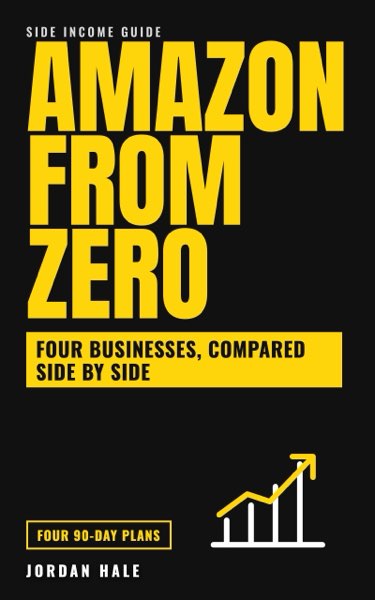
by Jordan Hale
FBA, Flex, KDP and Merch on Demand compared with real numbers, so you can pick the business that fits your capital, hours, and risk.
What is Amazon FBA?

Amazon FBA (Fulfillment by Amazon) is a service where you send your products to Amazon's warehouses, and they handle storage, packing, shipping, and customer service. This allows you to leverage Amazon's massive infrastructure to build a scalable e-commerce business.
In 2026, FBA continues to be one of the most powerful side hustle opportunities, with Amazon controlling over 50% of US e-commerce and reaching over 300 million active customers worldwide.
Benefits of FBA
- ✓ Amazon handles all fulfillment
- ✓ Prime badge increases sales 30-50%
- ✓ 24/7 customer service handled
- ✓ Returns processed automatically
- ✓ Access to 300M+ customers
- ✓ Scalable without more work
Considerations
- • FBA fees can be significant
- • Competition is fierce
- • Product research is critical
- • Capital required upfront
- • Amazon controls the platform
- • Storage fees add up
FBA Business Models in 2026

1. Private Label (Most Profitable)
Create your own brand by sourcing generic products and adding your branding. This offers the highest profit margins (25-50%) but requires more upfront investment.
2. Wholesale
Buy branded products in bulk from manufacturers or distributors and resell on Amazon. Lower margins but less risk and faster inventory turnover.
3. Retail Arbitrage (Lowest Startup)
Buy discounted products from retail stores and resell on Amazon for profit. Great for beginners to learn the platform with minimal risk.
4. Online Arbitrage
Similar to retail arbitrage but sourcing online from sites like Walmart, Target, and liquidation platforms. More scalable than retail arbitrage.
Getting Started with Amazon FBA

Create Your Seller Account
Sign up for Amazon Seller Central. Choose between Individual ($0.99/sale) or Professional ($39.99/month). Go Professional if you plan to sell 40+ items monthly.
Get Essential Tools
Invest in software to find profitable products and optimize listings:
- Helium 10: Product research, keyword tracking, listing optimization
- Jungle Scout: Sales estimates, product database, supplier database
- Keepa: Price history tracking and alerts
- Amazon Seller App: Free scanning app for retail arbitrage
Understand FBA Fees
Know your costs before sourcing products:
Referral Fee
8-15% of sale price (varies by category)
Fulfillment Fee
$3.22-$7.17+ based on size/weight
Storage Fee
$0.87-$2.40/cubic foot monthly
Long-Term Storage
$6.90/cubic foot after 365 days
Choose Your Niche
Focus on a specific category to become an expert. Best niches for beginners in 2026: home & kitchen, pet supplies, baby products, outdoor recreation, and health & household.
Product Research: Finding Winners
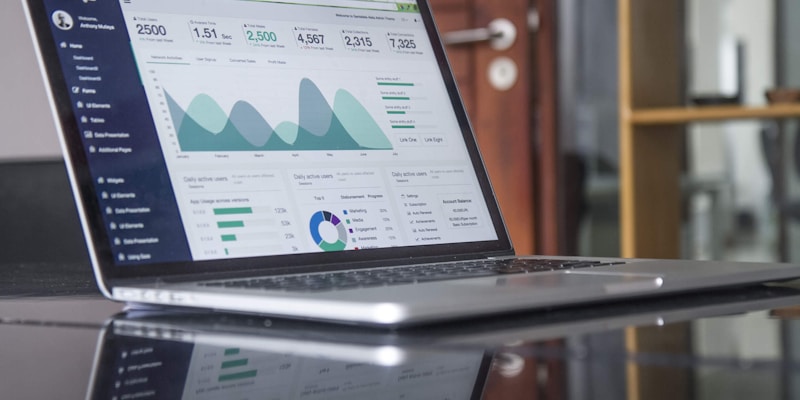
Product research is the most critical skill for Amazon FBA success. Finding the right product can mean the difference between a $50K business and a $500K business.
Ideal Product Criteria
- ✓ Selling price: $20-$70
- ✓ Lightweight: Under 2 lbs
- ✓ Small size (standard tier)
- ✓ 300+ sales/month for top 3
- ✓ Not dominated by big brands
- ✓ Average reviews under 500
- ✓ Year-round demand
- ✓ Room for improvement
- ✓ Low liability product
- ✓ Profit margin 30%+
Products to Avoid
- ✗ Electronics (high return rates, complexity)
- ✗ Fragile items (breakage issues)
- ✗ Seasonal products only (limited selling window)
- ✗ Trademarked/branded products (IP issues)
- ✗ Oversized items (expensive FBA fees)
- ✗ Highly regulated (supplements, beauty)
Product Research Process
Step 1: Use Product Research Tools
Use Helium 10 Black Box or Jungle Scout to filter products by revenue, reviews, price, and category. Set filters for 300+ monthly revenue, <500 reviews, $20-70 price range.
Step 2: Analyze Competition
Check top 10 listings. Look for weak photos, poor listings, or low review counts. These are opportunities you can beat.
Step 3: Validate Demand
Use Keepa to verify consistent sales history. Check if multiple sellers are making sales, not just one dominant seller.
Step 4: Calculate Profitability
Use Amazon's Revenue Calculator with estimated product cost to ensure 30%+ margin after all fees.
Product Sourcing Strategies

Alibaba (Private Label)
The largest B2B marketplace for sourcing products from Chinese manufacturers. Best for creating your own branded products.
Pro Tips:
- • Contact 10-20 suppliers for quotes
- • Request samples before bulk ordering
- • Use Trade Assurance for protection
- • Negotiate MOQ (minimum order quantity)
- • Get quality inspections before shipping
Wholesale Distributors
Buy established brands at wholesale prices. Look for authorized distributors or contact brands directly.
- • SaleHoo: Verified wholesale directory
- • Wholesale Central: Free supplier listings
- • Trade shows: ASD Market Week, Toy Fair
- • Brand websites: Apply for wholesale accounts
Retail Arbitrage Sources
Find discounted products at retail stores to flip on Amazon.
Best Stores:
- • Walmart clearance
- • Target (use Circle app)
- • Walgreens/CVS
- • HomeGoods/TJ Maxx
- • Ross/Marshalls
Best Sections:
- • Clearance aisles
- • Seasonal markdowns
- • End caps
- • Holiday items (post-holiday)
- • Discontinued products
Listing Optimization for Maximum Sales

Your listing is your salesperson. A well-optimized listing can double or triple your conversion rate compared to a mediocre one.
Title Optimization
Your title should include main keyword, brand, key features, size/quantity, and color. Keep it under 200 characters.
Example Format:
Brand + Main Keyword + Key Feature + Material/Size + Color/Quantity
Bullet Points (5 Key Features)
- 1. Lead with benefits: What problem does it solve?
- 2. Include keywords: Natural keyword placement
- 3. Highlight differentiators: What makes you unique?
- 4. Specifications: Size, material, compatibility
- 5. Guarantee/Support: Build confidence
Product Images
Images are the #1 conversion factor. Use all 7+ image slots:
- • Main image: White background, product fills 85%+ frame
- • Lifestyle images: Product in use
- • Infographic: Features and benefits
- • Size comparison: Scale reference
- • Package contents: What's included
- • Close-up details: Quality showcase
A+ Content (Brand Registry)
If you have Brand Registry, use A+ Content to add enhanced images and comparison charts. This can increase conversions by 5-10%.
Amazon PPC Advertising Strategy

Amazon advertising is essential for launching new products and maintaining visibility. A well-managed PPC campaign can drive profitable growth.
Sponsored Products
Best for beginners. Target keywords and products.
Sponsored Brands
Brand awareness with logo and multiple products.
Sponsored Display
Retargeting and audience targeting.
Beginner PPC Strategy
- 1. Automatic Campaign: Start with auto-targeting to discover keywords
- 2. Run for 2 weeks: Gather data on what converts
- 3. Manual Campaign: Create with winning keywords from auto
- 4. Bid Strategy: Start with suggested bids, adjust based on ACoS
- 5. Optimize Weekly: Add negatives, adjust bids, expand winners
Target ACoS by Phase
- • Launch phase: 50-100% (for ranking)
- • Growth phase: 30-50%
- • Maintenance: 15-30%
- • Mature product: 10-20%
Common PPC Mistakes
- • Not using negative keywords
- • Setting and forgetting
- • Bidding too low
- • No campaign structure
Scaling to 6 Figures and Beyond

1. Expand Your Catalog
Once you have 1-2 successful products, add complementary products in the same niche. Aim for 5-10 products to reduce risk and increase revenue.
2. Build Your Brand
- • Register for Amazon Brand Registry
- • Create a Storefront
- • Build an email list (through inserts)
- • Develop brand recognition
3. Expand Marketplaces
Once successful on Amazon.com, expand to:
- • Amazon Canada, UK, Germany, Japan
- • Walmart Marketplace
- • Your own Shopify store
4. Automate & Delegate
- • Hire a virtual assistant for customer service
- • Use repricing software
- • Outsource product photography
- • Hire PPC managers when profitable
Amazon FBA Profit Calculator
Results vary; these are estimates, not guarantees.
Frequently Asked Questions
Ready to Start Your Amazon FBA Business?
Join thousands of successful sellers building profitable e-commerce businesses on Amazon.
Create Seller Account →Essential Gear for Amazon FBA Sellers
As an Amazon Associate, we earn from qualifying purchases.
- →Photo Light Box Professional product photography for listings
- →Thermal Label Printer Fast shipping label printing
- →Poly Mailer Bags (100 pack) Protect items during shipping
- →Digital Kitchen Scale Accurate weight for shipping costs

A commercial-grade 4x6 thermal printer with no ink or toner, so every order ships with a label that costs cents to print.
See it on Amazon →