The companion book
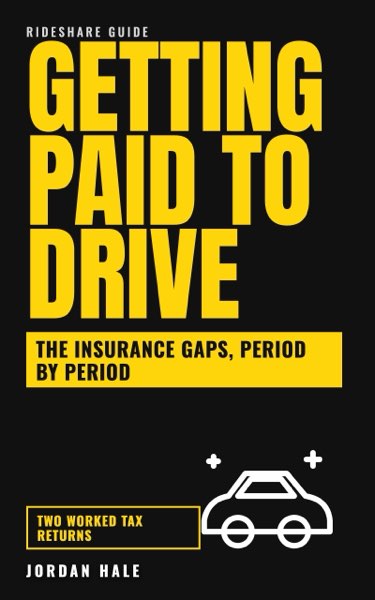
by Jordan Hale
The rideshare driver's guide to Uber, Lyft, surge pricing, airport queues and insurance gaps, with the real hourly rate after costs, wear, and self-employment tax.

Uber vs Lyft: Which to Choose
| Factor | Uber | Lyft |
|---|---|---|
| Market Share | ~70% of US market | ~30% of US market |
| Ride Volume | Higher in most markets | Lower but less competition |
| Driver Commission | Takes 25% + fees | Takes 25% + fees |
| Surge/Prime Time | Dynamic pricing | Prime Time percentages |
| Extra Services | Uber Eats, Reserve, Comfort | Lyft Pink, scheduled rides |
| Driver Support | In-app, Greenlight hubs | Often rated better by drivers |
Pro Tip: Drive for Both
Most successful drivers sign up for both platforms. Run both apps simultaneously, accept the first good ride that comes in and pause the other. This maximizes your ride opportunities and reduces dead time between fares.

Getting Started
Requirements
Driver Requirements
- 21+ years old (25+ for some services)
- Valid driver's license (1+ year)
- Clean driving record (no DUIs, major violations)
- Pass background check
- Auto insurance in your name
- Smartphone with data plan
Vehicle Requirements
- Model year within 10-15 years (varies by market)
- 4-door vehicle in good condition
- Pass vehicle inspection
- Valid registration
- No commercial branding
- Working AC/heat, seatbelts, airbags
Application Process
- Download App & Sign Up: Provide personal info and upload documents
- Background Check: Takes 3-10 days typically
- Vehicle Inspection: At approved mechanic or service center (some markets)
- Watch Training Videos: Complete required safety modules
- Go Online: Once approved, you can start accepting rides
Maximizing Your Earnings
Best Times to Drive
Weekday Peak Hours
- 6am-9am: Morning commutes
- 4pm-7pm: Evening commutes
- 9pm-2am: Bar/restaurant crowd
Weekend Peak Hours
- Friday 5pm-3am: Date nights, bars
- Saturday 8pm-3am: Best night of week
- Sunday morning: Airport runs, brunch
Lucrative Events
- Concerts & Sporting Events: Position yourself near venues before events end
- Airport Runs: Consistent, longer trips with predictable pickup times
- Holidays: NYE, St. Patrick's Day, Halloween = massive surges
- Bad Weather: Rain and snow drive up demand and surge pricing
- Convention Centers: Business travelers often take longer rides
Strategies for Higher Earnings
- Chase Bonuses: Complete quest requirements, consecutive trip bonuses
- Strategic Positioning: Wait near high-demand areas, not in surge zones
- Minimize Dead Miles: Avoid long pickups; let short pickups come to you
- Uber Comfort/Lyft Lux: Upgrade to premium tiers for higher rates
- Stack with Uber Eats: Fill gaps with food delivery
Surge Pricing Strategy
Surge (Uber) and Prime Time (Lyft) multiply your earnings during high-demand periods. Understanding surge is key to maximizing income.
Surge Earnings Example
Base Fare: $15
Surge Multiplier: 2.5x
Surge Earnings: $37.50
Your Take (75%): $28.13
vs Normal Take: $11.25
Surge Hunting Tips
- Don't Chase Surge: By the time you arrive, surge often disappears
- Anticipate Surge: Position yourself before events end, before bar close
- Watch the Map: Learn your market's surge patterns over time
- Complete Rides in Surge Zone: Ending a ride in surge area = faster next surge ride
- Accept First Surge Ride: Don't get greedy waiting for higher surge, it may drop

Creating a 5-Star Experience
Your rating affects your ability to get rides and qualify for bonuses. Here's how to consistently earn 5 stars:
Vehicle Preparation
- Clean interior daily (vacuum, wipe surfaces)
- Use subtle air freshener (not overpowering)
- Keep car clutter-free
- Maintain comfortable temperature
- Ensure working phone chargers (Lightning + USB-C)
Passenger Interaction
- Greet passengers warmly by name
- Confirm destination before starting
- Read the room, some want conversation, others don't
- Drive smoothly (no hard braking or acceleration)
- Thank them and wish them well at drop-off
Amenities That Boost Tips
- Phone chargers: All port types available
- Bottled water: Small bottles for longer rides (optional)
- Aux/Bluetooth: Let passengers play their music
- Phone mount: Visible navigation reassures passengers
- Mints or gum: Small touch passengers appreciate
Managing Expenses
Major Expense Categories
Gas: $4-$7/hour depending on vehicle
Maintenance: Oil, tires, brakes, etc.
Insurance Add-on: $30-$100/month
Car Wash: $20-$50/month
Phone Data: Unlimited required
Vehicle Depreciation: $0.15-$0.25/mile
Tax Deductions
Standard Mileage Rate 2026: 72.5 cents/mile 1/1 to 6/30/2026, 76 cents/mile 7/1 to 12/31/2026 (source: irs.gov)
Track every mile from the moment you go online. Use apps like Everlance, Stride, or Gridwise for automatic tracking.
Example: 2,000 miles/month = $1,340 tax deduction
- Save 25-30%: Set aside this percentage for self-employment taxes
- Track Everything: Miles, tolls, parking, phone portion, supplies
- Quarterly Taxes: Pay estimated taxes to avoid penalties
- Consider an LLC: Provides liability protection and tax options
Frequently Asked Questions
Average gross earnings are $18-$28/hour before expenses. After accounting for gas, maintenance, and depreciation, most drivers net $12-$20/hour. Earnings vary significantly by market, vehicle efficiency, and driving strategy.
Requirements include: 21+ years old (25+ for premium services), valid driver's license with 1+ year experience, clean driving record (no DUIs or major violations in past 7 years), vehicle meeting age and condition requirements, proof of insurance, and passing a background check. Some cities require additional licensing (TLC in NYC, PCN in London, etc.).
It depends on your market. Uber typically has more ride requests and higher total earnings in most cities due to larger market share. Lyft often has better driver support and sometimes better surge rates. Most successful drivers run both apps simultaneously to maximize ride opportunities and minimize downtime between fares.
Keep your car spotlessly clean inside and out, provide phone chargers for all device types, offer bottled water on longer trips, maintain a pleasant temperature, drive smoothly (no hard braking or aggressive acceleration), greet passengers warmly by name, and make conversation only if they seem interested. A consistent 5-star experience leads to better tips and repeat riders.
Absolutely, that's one of the biggest advantages. Many drivers work just Friday and Saturday nights, weekend mornings for airport runs, or a few hours after their day job. There's no minimum hour requirement. You control when and how much you drive.
Start Your Rideshare Journey
Sign up for Uber and Lyft today. With complete schedule flexibility and daily pay, rideshare driving is one of the most accessible side hustles available.
Explore More Gig Economy GuidesEssential Gear for Rideshare Drivers
As an Amazon Associate, we earn from qualifying purchases.
- →Trunk Organizer Keep supplies organized
- →Backseat Organizer with Tablet Holder Entertainment for passengers
- →Wireless Phone Charger Mount Hands-free charging while driving
- →Dash Cam 1080p Protection and documentation for trips

Front, rear and cabin cameras with night vision. The cabin channel is the one rideshare drivers care about when a passenger dispute lands.
See it on Amazon →