1. Why Proofreading in 2026?

In the age of AI-generated content and rapid digital publishing, the demand for human proofreaders has never been higher. While AI can assist with writing, it still makes errors that only trained human eyes can catch. Every business, author, and content creator needs polished, error-free content to maintain credibility.
Market Opportunity
- Global content marketing industry worth $600+ billion
- 2 million+ self-published books annually need proofreading
- Businesses publish 5x more content than 5 years ago
- AI-generated content increases demand for human verification
Why This Side Hustle Works
Zero Startup Costs
All you need is a computer, internet connection, and attention to detail. No special equipment or inventory required.
Work From Anywhere
100% remote work. Proofread from home, a coffee shop, or while traveling. All you need is your laptop.
Flexible Schedule
Set your own hours, work around your day job, and take on projects that fit your availability.
Diverse Niches
Specialize in fiction, academic papers, business content, legal documents, or any field that interests you.
2. Proofreading vs Editing: Know the Difference
Understanding the distinction is crucial for setting client expectations and pricing your services correctly:
| Aspect | Proofreading | Editing |
|---|---|---|
| Focus | Surface-level errors | Content and structure |
| What's Checked | Typos, spelling, punctuation, formatting | Clarity, flow, tone, structure, style |
| When Done | Final stage before publishing | Earlier in the writing process |
| Changes Made | Minor corrections only | May rewrite sentences/paragraphs |
| Typical Rate | $25-$50/hour | $40-$100/hour |
Pro Tip
Many clients use "proofreading" and "editing" interchangeably. Always clarify what they need before quoting. You might offer both services at different price points.
3. Essential Skills for Proofreaders

Successful proofreading requires a specific skill set. Here's what you need to develop:
Language Mastery
- Grammar: Deep understanding of grammatical rules and exceptions
- Spelling: Catching commonly confused words (their/there/they're)
- Punctuation: Proper use of commas, semicolons, apostrophes, etc.
- Style Guides: Familiarity with AP, Chicago, APA, MLA styles
- Vocabulary: Knowledge of word usage and context
Attention to Detail
- Pattern Recognition: Spotting inconsistencies across documents
- Number Checking: Verifying statistics, dates, and calculations
- Formatting: Catching spacing, font, and layout issues
- Consistency: Ensuring style choices are applied throughout
- Focus: Maintaining concentration during long documents
Professional Skills
- Time Management: Estimating project timelines accurately
- Communication: Explaining changes to clients clearly
- Software Proficiency: Track changes, comments, PDF markup
- Research: Fact-checking when something seems wrong
- Discretion: Handling confidential content professionally
Common Errors Proofreaders Catch
Spelling
- Homophones (affect/effect)
- British vs American spelling
- Proper nouns
- Technical terms
Punctuation
- Missing/extra commas
- Apostrophe errors
- Quote marks
- Hyphenation
Formatting
- Inconsistent spacing
- Font variations
- Header styles
- List formatting
4. Types of Proofreading Work
Proofreading spans many industries and document types. Here are the most lucrative niches:
Book/Fiction Proofreading
Self-published authors and small publishers need proofreaders for novels, memoirs, and non-fiction books.
Rates: $0.01-$0.02 per word | $25-$40/hour
Academic Proofreading
Dissertations, theses, research papers, and journal articles. Requires knowledge of academic style guides (APA, MLA, Chicago).
Rates: $0.02-$0.04 per word | $35-$60/hour
Business/Corporate
Marketing materials, reports, proposals, websites, and internal communications. High volume, recurring work.
Rates: $0.02-$0.03 per word | $40-$55/hour
Legal Proofreading
Contracts, briefs, court documents. Requires extreme accuracy and legal terminology knowledge. Premium rates.
Rates: $0.03-$0.05 per word | $50-$75/hour
Medical/Scientific
Medical journals, pharmaceutical documents, clinical trials. Requires specialized knowledge and pays top rates.
Rates: $0.04-$0.06 per word | $55-$80/hour
Transcript Proofreading
Court reporters, closed captions, podcast transcripts. Fast-paced, high volume. Good entry point for beginners.
Rates: $0.01-$0.015 per word | $20-$35/hour
5. Pricing Strategy
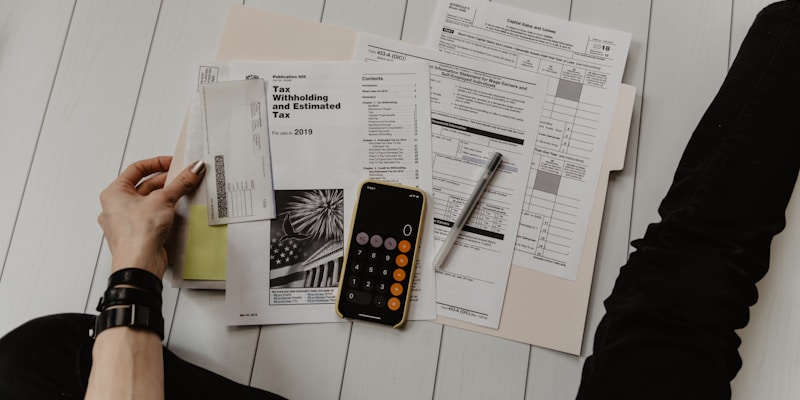
Pricing proofreading services can be done per word, per page, per hour, or per project. Here's how to choose:
Pricing Models
Per Word
Most common and transparent method. Easy for clients to estimate costs.
- General content: $0.01-$0.02/word
- Technical/Business: $0.02-$0.03/word
- Specialized: $0.03-$0.05/word
Per Page
Works well for standardized documents. Define page as 250-300 words.
- Standard page: $3-$5/page
- Academic: $5-$8/page
- Technical: $7-$12/page
Per Hour
Best for complex projects where scope is uncertain. Track time carefully.
- Beginner: $20-$30/hour
- Experienced: $35-$50/hour
- Specialized: $50-$75+/hour
Per Project
Flat rate for defined projects. Calculate based on word count and complexity.
- Short article (1,000 words): $15-$25
- Novel (80,000 words): $800-$1,600
- Dissertation: $500-$1,500
Charge More For:
- Rush jobs (24-48 hour turnaround) - add 50-100%
- Technical or specialized content
- Complex formatting requirements
- Multiple style guide adherence
- Work requiring fact-checking or research
6. Finding Clients
Building a client base requires multiple strategies. Here are the most effective approaches:
Freelance Platforms
Start here to build experience and reviews:
- Upwork: Large marketplace with steady proofreading jobs
- Fiverr: Create gig packages, great for building reviews
- Reedsy: Marketplace specifically for book publishing services
- Scribendi: Proofreading-specific platform (requires testing)
- EditFast: Another editing/proofreading focused platform
Direct Outreach
Proactively reach out to potential clients:
- Self-published authors (search Amazon, Goodreads)
- Small publishers and literary magazines
- Content marketing agencies
- Academic researchers and PhD students
- Law firms and court reporting agencies
Online Presence
Build visibility and credibility:
- Professional website with portfolio samples
- LinkedIn profile optimized for proofreading keywords
- Content marketing (blog posts about writing/editing tips)
- Social media presence in writing communities
Networking
Build relationships in the industry:
- Join professional associations (EFA, ACES)
- Attend writer conferences and book fairs
- Partner with editors (they often need proofreaders)
- Connect with book coaches and writing instructors
7. The Proofreading Process
A systematic approach ensures thorough, consistent results. Here's a proven workflow:
Initial Review
Skim the document to understand content type, style, and length. Note any style guide requirements or client preferences.
First Pass - Content
Read through slowly, focusing on spelling, grammar, and punctuation. Mark all errors using track changes or comments.
Second Pass - Formatting
Check consistency of fonts, spacing, headers, bullets, numbering. Verify page numbers, headers, footers.
Third Pass - Style Consistency
Verify consistent capitalization, hyphenation choices, number formatting, and terminology usage throughout.
Final Check
One last read-through, focusing on any areas you were uncertain about. Verify all changes are tracked.
Deliver with Notes
Return the marked document with a summary of changes made and any queries for the client to address.
Pro Tips for Accuracy
- Take breaks every 45-60 minutes to maintain focus
- Read aloud to catch awkward phrasing
- Change the font or zoom level to see content fresh
- Read backwards for spelling (last sentence to first)
- Print and proofread on paper for important documents
8. Tools & Software
The right tools make your work faster and more accurate. Here's your essential toolkit:
Document Tools
- Microsoft Word: Industry standard, track changes essential
- Google Docs: Suggesting mode, real-time collaboration
- Adobe Acrobat: PDF markup and commenting
- PerfectIt: Consistency checking for Word
Grammar Assistants
- Grammarly: Catches many errors (don't rely on it alone)
- ProWritingAid: Detailed style and grammar analysis
- Hemingway Editor: Readability and complexity check
- LanguageTool: Open-source grammar checker
Reference Resources
- Chicago Manual of Style: Comprehensive style guide
- AP Stylebook: Journalism and marketing standard
- Merriam-Webster: Dictionary and usage guide
- Purdue OWL: Free academic writing resources
Business Tools
- Toggl: Time tracking for hourly billing
- Dubsado/HoneyBook: Contracts and invoicing
- Calendly: Client scheduling
- Dropbox/Google Drive: File sharing and storage
Warning About AI Tools
Never rely solely on automated grammar checkers. They miss context-dependent errors and often suggest incorrect "corrections." Use them as a supplement to your own careful reading, not a replacement.
9. Training & Certification
While not required, training and credentials can boost your skills and credibility:
| Program | Focus | Cost | Duration |
|---|---|---|---|
| Proofread Anywhere | Transcript proofreading | $497-$797 | Self-paced |
| Knowadays | General proofreading | $199 | 40 hours |
| EFA Courses | Professional development | $75-$200/course | Varies |
| ACES Certificate | Copyediting certification | $350 | Exam |
| UC San Diego Extension | Copyediting certificate | $3,100 | 6-9 months |
Free Learning Resources
Practice Tests
- Editest.com proofreading tests
- Scribendi free editing quiz
- ACES practice exercises
Style Guide Study
- CMOS Online (free trial)
- AP Stylebook Online
- Purdue OWL resources
10. Scaling Your Business
Once you've established a solid foundation, here's how to grow your proofreading income:
Increase Your Speed
With experience, you'll read faster while catching more. Track your words-per-hour rate and work to improve it. Experienced proofreaders process 3,000-5,000 words per hour.
Specialize in Lucrative Niches
Legal, medical, and technical proofreading command premium rates. Invest in learning specialized terminology and you can charge 50-100% more.
Add Related Services
Expand into copy editing, developmental editing, or formatting services. Offer package deals that increase revenue per client.
Build Long-Term Clients
Focus on clients with ongoing needs: content agencies, authors with series, businesses with regular publications. Recurring revenue is more stable than one-off projects.
Create Passive Income
Develop courses, style guides, or templates to sell. "How to Proofread Your Own Work" guides sell well to writers.
Income Growth Path
Year 1
$15-25K
Part-time
Year 2-3
$40-60K
Full-time
Year 4+
$75K+
Specialized
11. Income Calculator
Estimate your potential proofreading income:
Billable Hours/Week
14
Weekly Income
$490
Monthly Income
$1,960
Yearly Income
$23,520
*Non-billable time includes client communication, marketing, admin tasks, and breaks
Results vary; these are estimates, not guarantees.
12. Frequently Asked Questions
Ready to Start Your Proofreading Business?
Turn your attention to detail into a profitable, flexible side hustle.
