Why Personal Chefs Are in Demand in 2026

The personal chef industry is experiencing a renaissance. Busy professionals, health-conscious families, and time-starved parents increasingly value the convenience of customized, restaurant-quality meals prepared in their own kitchens. What was once a luxury for the ultra-wealthy is now accessible to dual-income households seeking work-life balance.
Several converging trends drive this demand. Remote work has blurred home and office life, making quality home meals more important. Health awareness continues rising, with people wanting nutritious meals tailored to their dietary needs. And frankly, people are exhausted, meal planning, grocery shopping, and cooking consume hours that could be spent with family or pursuing other goals.
2026 Market Opportunity
- $12+ billion: US personal chef and meal prep market
- 15% annual growth: Outpacing restaurant industry
- 78% of families: Say they'd use meal prep services if affordable
- Average client retention: 18-24 months for quality personal chefs
- Referral rate: 60-80% of new clients come from referrals
The beauty of personal chef work is its flexibility. You can work one day a week or build a full roster of weekly clients. Many chefs specialize, some focus on meal prep for fitness clients, others on family-friendly cooking, and some cater to specific dietary needs like keto, vegan, or allergy-friendly meals. This specialization allows premium pricing and targeted marketing.
Unlike restaurant work with its grueling hours and modest pay, personal chefs control their schedules, choose their clients, and keep the lion's share of their earnings. The overhead is minimal, you cook in clients' kitchens with their equipment, and your main investments are skills, transportation, and basic tools.
Income Potential & Pricing
Personal chef earnings vary widely based on services, location, and clientele. However, even part-time work generates substantial income, with most chefs earning well above typical restaurant wages.
Service Pricing Models
- Weekly Meal Prep (1 person) $200-$350/week
- Weekly Meal Prep (family) $350-$600/week
- Dinner Party (6-8 guests) $400-$800
- Special Event Catering $50-$100/person
- Cooking Lessons (2-3 hrs) $150-$300
- Vacation/Travel Chef $500-$1,000/day
Hourly Rate Breakdown
- Entry Level $25-$40/hour
- Experienced $40-$75/hour
- Specialized/Premium $75-$150/hour
- Celebrity/Ultra-High-Net-Worth $150-$300+/hour
Rates exclude grocery costs (billed separately at cost or with 10-20% markup)

Realistic Income Scenarios
| Schedule | Clients | Weekly Revenue | Annual (48 weeks) |
|---|---|---|---|
| Weekend Only | 2 meal prep + 1 event/month | $700-$1,000 | $35K-$50K |
| Part-Time (2-3 days) | 4-5 weekly clients | $1,500-$2,500 | $72K-$120K |
| Full-Time | 8-10 weekly clients | $3,000-$5,000 | $144K-$240K |
| Premium/Luxury | 5-6 high-end clients | $4,000-$7,000 | $192K-$336K |
Profit Margins
Personal chefs typically keep 70-85% of service fees as profit. Main expenses are transportation (gas), basic supplies, and insurance. Groceries are billed separately to clients. With minimal overhead and no rent, this is one of the highest-margin food businesses possible.
Services to Offer
Diversifying your services creates multiple income streams and helps fill your calendar. Most successful personal chefs combine regular meal prep clients with occasional events and specialty services.
Weekly Meal Prep Service
Your bread and butter, recurring revenue
Cook a week's worth of meals in one session (typically 4-6 hours). This is the most popular and profitable service, providing predictable recurring income.
- ✓ Menu planning with client
- ✓ Grocery shopping
- ✓ 10-15 meal portions prepared
- ✓ Proper storage and labeling
- ✓ Reheating instructions
- ✓ Kitchen cleanup
Typical pricing: $300-$600/week + groceries
Dinner Party & Event Cooking
Higher per-event income
Prepare and serve multi-course meals for special occasions. Great for showcasing culinary skills and commanding premium prices.
- ✓ Menu consultation and planning
- ✓ Ingredient sourcing
- ✓ On-site cooking and plating
- ✓ Table service (optional)
- ✓ Wine pairing suggestions
- ✓ Complete kitchen cleanup
Typical pricing: $400-$1,200 for 6-12 guests
Specialty Diet Services
Premium niche with dedicated clients
Specialize in specific dietary needs. This niche commands premium pricing and creates loyal, long-term clients.
Health-Focused
- • Keto/Low-carb
- • Paleo/Whole30
- • Mediterranean
- • Heart-healthy
Allergy/Restriction
- • Gluten-free
- • Dairy-free
- • Nut-free
- • Multiple allergies
Lifestyle
- • Vegan/Vegetarian
- • Kosher/Halal
- • Athlete performance
- • Post-surgery recovery
Premium of 20-50% above standard rates

Additional Revenue Streams
Cooking Classes
Teach clients or groups your techniques
$150-$400/session
Vacation Chef
Travel with families to vacation homes
$500-$1,500/day
Pantry Stocking
Shop and organize client kitchens
$100-$200 + groceries
Recipe Development
Create custom recipes for clients
$50-$150/recipe
Freezer Meal Packages
Monthly bulk cooking sessions
$500-$1,000/session
Holiday Meal Prep
Thanksgiving, Christmas dinners
$500-$2,000+
Required Skills & Certifications
While formal culinary education isn't required, you need solid cooking skills and food safety knowledge. The best personal chefs combine technical ability with client management and business sense.
Culinary Skills
- ▸ Knife skills: Efficient, safe cutting techniques
- ▸ Cooking methods: Sautéing, roasting, braising, grilling
- ▸ Flavor building: Seasoning, sauce-making, balancing
- ▸ Menu planning: Balanced, varied meal combinations
- ▸ Time management: Multiple dishes simultaneously
- ▸ Presentation: Attractive plating and packaging
- ▸ Dietary adaptations: Modify recipes for restrictions
Business & Soft Skills
- ▸ Client communication: Understanding preferences, managing expectations
- ▸ Discretion: Confidentiality in private homes
- ▸ Flexibility: Adapting to different kitchens and situations
- ▸ Organization: Scheduling, shopping lists, inventory
- ▸ Basic accounting: Invoicing, expense tracking
- ▸ Marketing: Self-promotion, social media presence
- ▸ Reliability: Consistent quality, punctuality
Certifications & Credentials
Required Essential Certifications
- Food Handler's Card: Required in most states ($10-$25, online)
- ServSafe Food Manager: Industry standard certification ($150-$200)
- Business License: Required for legal operation
Optional Credibility Boosters
- USPCA Certification: Professional personal chef credential
- Culinary degree: Not required but adds credibility
- Specialty certifications: Plant-based, allergen management
Building Your Skills
If you're not restaurant-trained, build skills through online culinary courses (MasterClass, Rouxbe), YouTube tutorials, cookbooks, and practice. Stage (intern) at local restaurants to learn professional techniques. Most importantly, cook constantly, for friends, family events, and practice clients.
Essential Equipment
Since you cook in clients' kitchens, your equipment needs are minimal compared to other food businesses. Invest in quality items you'll use at every job.

Must-Have Items ($500-$1,000)
- ▸ Chef's knife set: 8" chef, paring, bread knife ($150-$400)
- ▸ Knife roll/bag: Transport and protect your knives ($30-$80)
- ▸ Cutting boards: Portable, multiple sizes ($40-$80)
- ▸ Instant-read thermometer: Essential for food safety ($20-$100)
- ▸ Kitchen scale: For consistent results ($25-$50)
- ▸ Food storage containers: For meal prep delivery ($50-$100)
- ▸ Aprons: Professional appearance ($20-$50)
- ▸ Cooler bags: For grocery transport ($30-$60)
Nice-to-Have Items ($500-$1,500)
- ▸ Immersion blender: Sauces, soups ($50-$150)
- ▸ Food processor: Prep efficiency ($100-$300)
- ▸ Mandoline: Consistent, fast slicing ($30-$100)
- ▸ Portable induction burner: Extra cooking surface ($60-$150)
- ▸ Quality pan set: If clients have poor cookware ($150-$400)
- ▸ Vacuum sealer: Extended meal storage ($80-$200)
- ▸ Label maker: Professional meal labeling ($30-$50)
- ▸ Sous vide circulator: Precision cooking ($100-$200)
Recommended Knife Brands
Your knives are your most important tools. Invest wisely:
Wüsthof, Zwilling, Global
Shun, Miyabi, MAC
Victorinox, Mercer, Dexter-Russell
Getting Started Step-by-Step
Assess and Build Your Skills
Honestly evaluate your cooking abilities. Can you prepare a full week of varied, delicious meals efficiently? If not, practice intensively. Cook for friends and family, take online courses, and master at least 30-50 dishes across different cuisines and dietary styles.
Get Certified
Obtain your Food Handler's Card (required in most areas) and consider ServSafe Manager certification. These are quick to complete, affordable, and demonstrate professionalism. Check your local health department for any additional requirements.
Handle Legal Basics
Register your business (LLC recommended), get a business license, and obtain liability insurance ($300-$600/year). Create a simple contract covering services, payment terms, cancellation policy, and liability. Many template contracts are available online.
Invest in Equipment
Purchase essential tools, quality knives, cutting boards, thermometer, and food storage containers. Start with the basics and add equipment as you identify specific needs. Budget $500-$1,000 for a professional starter kit.
Create Your Brand
Develop a professional presence: business name, logo, Instagram account showcasing your food, and simple website or portfolio. Your visual brand matters, food photography skills will help market your services.
Land Your First Clients
Start with friends, family, and their networks at introductory rates. Offer to cook for a few households in exchange for testimonials and referrals. Document everything with photos for your portfolio. Each satisfied client should generate 1-2 referrals.
Finding Your First Clients
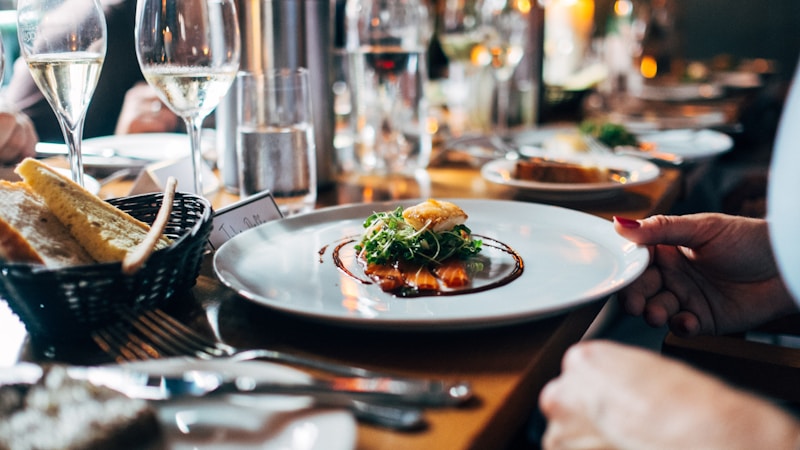
Client acquisition for personal chefs relies heavily on trust and word-of-mouth. You're entering people's homes and handling their food, credibility is paramount.
Primary Marketing Channels
- ✓ Instagram: Food photography, stories of prep sessions, client testimonials
- ✓ Word-of-mouth: Ask every client for referrals, offer incentives
- ✓ HireAChef.com: Platform connecting chefs with clients
- ✓ Take a Chef: Global platform for personal chef bookings
- ✓ Thumbtack/Bark: Service marketplaces with chef categories
- ✓ Nextdoor: Local community recommendations
Partnership Opportunities
- ▸ Real estate agents: Offer services to new homebuyers
- ▸ Personal trainers: Nutrition partnerships
- ▸ Nutritionists/dietitians: Referral relationships
- ▸ Concierge services: Luxury lifestyle management
- ▸ Vacation rental managers: Services for rental guests
- ▸ Event planners: Catering referrals
Ideal Client Profiles
Busy Professionals
Dual-income households, executives, entrepreneurs who value time over money. Often want weekly meal prep.
Health-Conscious Clients
Fitness enthusiasts, those with health conditions, weight loss goals. Need specific dietary compliance.
New Parents
Exhausted families with newborns. Often temporary but high-need clients. Great for referrals.
Seniors
Elderly individuals needing nutritious meals. Often long-term, consistent clients.
Allergy Families
Households managing severe allergies. Desperate for safe, delicious food options.
Vacation Home Owners
Wealthy families wanting chef services during vacation. High pay, concentrated work.
Running Your Business
Efficient operations maximize your earning potential. A typical meal prep session should be well-organized from client consultation through cleanup.
Typical Weekly Meal Prep Workflow
Menu Planning & Shopping
Confirm menu with client, create shopping list, purchase groceries (1-2 hours)
Prep, Cook, Package
Arrive at client home, prep ingredients, cook meals, portion and store (4-6 hours)
Label, Store, Clean
Label all containers with contents and reheating instructions, organize in fridge/freezer, clean kitchen (30-60 minutes)
Client Management Tips
- ✓ Send weekly menu options 3-4 days in advance
- ✓ Maintain detailed preference/allergy notes
- ✓ Request feedback after first few sessions
- ✓ Track favorite dishes for repeat requests
- ✓ Communicate any schedule changes immediately
- ✓ Invoice promptly with itemized receipts
Financial Management
- ✓ Separate business and personal accounts
- ✓ Track all grocery receipts meticulously
- ✓ Bill groceries separately from service fee
- ✓ Collect payment before or same day as service
- ✓ Set aside 25-30% for taxes quarterly
- ✓ Track mileage for tax deductions
Scaling Your Business
Once you have 5-6 regular clients, you're likely at capacity as a solo chef. To grow further: raise prices (existing clients often stay), specialize in higher-paying niches, or hire an assistant chef to serve more clients under your brand.
Income Calculator
Weekly Revenue
$1,900
Monthly Revenue
$8,200
Annual Revenue (48 weeks)
$91,200
Results vary; these are estimates, not guarantees.
Frequently Asked Questions
Ready to Start Your Personal Chef Business?
Turn your passion for cooking into a profitable, flexible career on your own terms.
Explore More Side HustlesEssential Gear for Side Hustlers
As an Amazon Associate, we earn from qualifying purchases.
- →Dash Cam Document your work and protect yourself
- →Car Phone Charger Stay connected on the go
- →Portable Power Bank Never run out of battery
- →Phone Mount Hands-free navigation

An all-in-one card machine that takes tap, chip and swipe on the spot and prints a receipt, so you get paid before you leave the job.
See it on Amazon →