
Why Teach Music Lessons?
If you can play an instrument or sing, you have a marketable skill that people will pay good money to learn. Music lessons have been a reliable income source for musicians for centuries, and in 2026, the rise of online teaching has made it more accessible and scalable than ever.
Why Music Teaching is Perfect for Side Hustlers
Music lessons offer the perfect side hustle: you set your schedule, work when your students are available (evenings/weekends), and build relationships that last years. Many teachers have students who stay for 5-10+ years, providing reliable recurring income.
Key benefits of teaching music:
- High Hourly Rates: $40-$150/hour depending on experience and location
- Recurring Revenue: Students typically commit to weekly lessons
- Flexible Schedule: Teach around your day job or other commitments
- Low Overhead: Teach from home with equipment you already own
- Online Option: Reach students worldwide without leaving home
- Rewarding Work: Watch students progress and develop a love for music
- Long-Term Relationships: Students often stay for years
Music Lessons Market
$2.7B
US Private Lessons Market
35%
Now Take Online Lessons
6.2%
Annual Growth
Instruments and Skills to Teach
The most in-demand instruments and music skills vary by location and student demographics:
Guitar
Acoustic, electric, classical, bass. Highest demand instrument, appeals to all ages. Covers many genres from rock to jazz.
$40-$100/hour
Highest volume of students
Piano/Keyboard
Classical, pop, jazz, music theory. Often parents' first choice for children. Strong demand for adult beginners too.
$50-$120/hour
Premium rates for classical training
Voice/Singing
Pop, classical, musical theater, speech-level singing. No equipment needed for students. Great for online teaching.
$50-$150/hour
High demand, especially for audition prep
Drums/Percussion
Drum kit, marching percussion, orchestral. Requires space and equipment. High demand from school-age students.
$40-$80/hour
In-person usually required
Violin/Strings
Violin, viola, cello, bass. Popular with dedicated students and parents. Suzuki method common for young beginners.
$50-$120/hour
Specialized market, loyal students
Music Production
DAWs (Logic, Ableton), beat making, mixing, electronic music. Growing rapidly with aspiring producers and beatmakers.
$50-$150/hour
Perfect for online, high demand
Other Teachable Skills
Music Theory
For students and aspiring teachers
Songwriting
Composition, lyrics, arranging
Ukulele
Beginner-friendly, popular starter
Wind Instruments
Flute, sax, clarinet, trumpet
Audio Engineering
Recording, mixing, mastering
DJ Skills
Mixing, beatmatching, controller use

Getting Started
Step 1: Define Your Teaching Focus
- Choose instruments/skills based on your expertise
- Identify your target students (kids, adults, beginners, advanced)
- Decide on genres/styles you'll specialize in
- Determine if you'll teach online, in-person, or both
Step 2: Set Up Your Teaching Space
- Designate a quiet, well-lit room for lessons
- For online: Get good webcam, microphone, and lighting
- Have necessary equipment (spare picks, metronome, tuner)
- Consider soundproofing if neighbors are close
- Set up a music stand and seating for students
Step 3: Develop Your Curriculum
- Create a progression path for different skill levels
- Gather or create teaching materials (method books, chord charts)
- Plan sample lessons for different student types
- Set learning milestones and goals for students
Step 4: Handle Business Basics
- Set your rates and lesson policies
- Create a cancellation policy (24-48 hour notice)
- Set up payment processing (Venmo, PayPal, Square)
- Consider liability insurance if teaching in-home
- Track income for taxes (you're self-employed)
Teaching Formats
In-Person Lessons
Advantages:
- Hands-on correction of technique
- Better for young beginners
- Higher rates possible
- Stronger student-teacher bond
Challenges:
- Limited to local area
- Travel time if going to students
- Space requirements
- Fewer slots per day
Online Lessons
Advantages:
- Students anywhere in the world
- No commute time
- More lessons per day possible
- Record lessons for student review
Challenges:
- Audio latency issues
- Can't physically adjust hand position
- Tech setup required
- Harder for young children
Online Teaching Platforms
Marketplace Platforms
- TakeLessons: Large student base, they handle billing
- Lessonface: Classical music focused
- Wyzant: General tutoring, music included
- Thumbtack: Local service marketplace
Self-Run Options
- Zoom: Standard video calling (free tier available)
- FaceTime: Easy for Apple users
- My Music Staff: Scheduling & billing software
- Calendly: Booking management

Pricing Your Lessons
Your rates depend on experience, location, and specialization. Here's a guide:
Lesson Rates by Experience Level
| Experience | 30-Minute | 45-Minute | 60-Minute |
|---|---|---|---|
| Beginner Teacher | $20-$30 | $30-$40 | $40-$50 |
| Experienced (2-5 years) | $30-$45 | $45-$60 | $50-$80 |
| Professional | $45-$60 | $60-$90 | $80-$120 |
| Expert/Celebrity | $60-$100 | $90-$125 | $100-$200+ |
Pricing Strategies
Monthly Tuition Model
Charge a flat monthly rate for 4 lessons. Provides predictable income and reduces missed lessons.
Example: $200/month (4 x 30-min lessons)
Package Deals
Offer discounts for prepaid lesson packages. Encourages commitment and upfront payment.
Example: 10 lessons for price of 9
Rate Increases
Raise rates annually or when fully booked. Grandfather existing students at old rates or give 1-2 months notice. New students always pay current rates. Being too cheap signals low quality.
Finding Students
Free Marketing
- Word of Mouth: Tell everyone you teach
- Social Media: Post playing videos on Instagram/TikTok
- Google Business: Create listing for local search
- Nextdoor: Active music teachers find students here
- Facebook Groups: Local parent and community groups
- Music Stores: Leave business cards, offer lessons
- Schools: Connect with music teachers for referrals
Paid Options
- TakeLessons/Lessonface: They bring students to you
- Thumbtack: Pay per lead for local students
- Facebook/Instagram Ads: Target local parents
- Google Ads: "Guitar lessons [your city]"
- Flyers: Music stores, community boards
Student Retention Tips
- Set clear goals: Students who see progress stay longer
- Make it fun: Teach songs they love, not just exercises
- Recitals: Give performance opportunities (even informal)
- Communication: Regular updates to parents about progress
- Be reliable: Start and end on time, rarely cancel
Teaching Tips
Structure Your Lessons
A typical lesson structure:
- Warm-up (5 min): Scales, exercises, or review
- Review (10 min): Check last week's assignment
- New Material (15 min): Introduce new concepts/songs
- Application (5 min): Practice new material together
- Assignment (5 min): Clear goals for next week
Common Beginner Teacher Mistakes
- Too much talking: Let students play, not just listen
- No structure: Random lessons lead to slow progress
- Only exercises: Balance technique with fun songs
- Unclear assignments: Be specific about what to practice
- Comparing students: Everyone learns at their own pace
Teaching Different Age Groups
Kids (5-12)
- Short attention spans
- Games and rewards help
- Parent involvement key
- 30-min lessons often best
Teens (13-18)
- Teach music they love
- Connect to their goals
- More independence
- 45-60 min lessons
Adults
- Often busy, need flexibility
- Self-motivated
- May have specific goals
- Appreciate direct feedback
Growing Your Teaching Business
Add Income Streams
- Group Classes: Teach 3-5 students at once, charge each $20-30 = $100+ per hour
- Workshops: Host "Guitar 101" or "Songwriting Weekend" workshops
- Online Courses: Create video courses on Udemy, Skillshare, or your own site
- YouTube Channel: Build audience and monetize with ads/sponsors
- Sheet Music: Sell arrangements and transcriptions
- Accompaniment: Play for recitals, churches, events
Scale Your Teaching
- Raise Rates: As you fill up, increase prices for new students
- Expand Online: Add students from other states/countries
- Partner with Schools: Teach at music schools for more students
- Open a Studio: Rent space and potentially hire other teachers
- Subcontract: Refer overflow students for a referral fee
Income Calculator
Estimate Your Music Teaching Income
Estimated Monthly Income
$3,000
Hours/month: 30 | Effective rate: $100/hr
Results vary; these are estimates, not guarantees.
Frequently Asked Questions
No degree is required for private music instruction. Students and parents care more about your playing ability, teaching style, and the results you get than formal credentials. However, a music degree, teaching certification, or notable performance experience can justify higher rates and attract serious students.
Beginner teachers typically charge $30-$50 per hour. Experienced teachers (2-5 years) charge $50-$80 per hour. Professional-level instructors in major cities can charge $80-$150+ per hour. Location, instrument, and specialization all affect rates. Online lessons typically command 10-20% less than in-person.
Both have advantages. In-person allows hands-on technique correction and often higher rates. Online expands your reach globally, eliminates commute, and allows more lessons per day. Many successful teachers do both, local students in-person, plus additional income from online students worldwide.
Teaching evenings and weekends only, most part-time teachers comfortably manage 10-20 students. At 15 students paying $50/lesson weekly, that's $3,000/month working just 15-20 hours per week. Some ambitious teachers build to 30+ students by adding online and expanding availability.
Basic setup: a computer/tablet with camera, stable internet, and your instrument. Better setup: external webcam ($50-$100), USB microphone ($50-$150), ring light ($25-$50), and a music stand positioned for camera view. For advanced online teaching, a second camera showing your hands can be valuable.
Start Teaching Music Today
Your musical skills are valuable. Start with friends and family, build your confidence, and grow into a thriving teaching business. Every great teacher started with one student.
Explore More Side HustlesEssential Gear for Music Teachers
As an Amazon Associate, we earn from qualifying purchases.
- →Dry Erase Whiteboard 24x36 Visual teaching for online sessions
- →USB Headset with Microphone Clear audio for online tutoring
- →Document Camera Scanner Show worksheets and documents to students
- →Blue Light Blocking Glasses Protect eyes during screen time
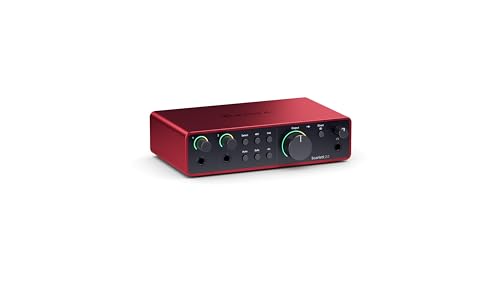
The two-input USB-C interface that lets a real microphone or instrument record cleanly into any laptop.
See it on Amazon →