Why Mobile Mechanics Thrive in 2026

The mobile mechanic industry is experiencing unprecedented growth as car owners increasingly value convenience over traditional shop visits. With average vehicle ages now exceeding 12 years and repair costs at all-time highs, there's massive demand for affordable, on-site auto services.
Traditional repair shops charge $100-$150+ per hour for labor, plus customers lose their vehicles for hours or days. Mobile mechanics eliminate the hassle of dropping off cars, arranging transportation, and waiting. You bring the shop to them, at their home, office, or roadside, and often complete repairs in less time without the overhead costs that inflate shop prices.
2026 Market Opportunity
- 289 million vehicles registered in the US, average age 12.5 years
- $400+ billion annual auto repair market
- 67% of car owners would pay premium for mobile service
- Average shop labor rate: $125-$175/hour (your opportunity to undercut)
- Repeat customer rate: 75-90% for quality mobile mechanics
The beauty of mobile mechanics is the low overhead. No shop rent ($3,000-$10,000/month), no utility bills, no expensive lifts. Your main investments are tools, a reliable vehicle, and your skills. This means you can offer competitive pricing while maintaining excellent margins, often 60-80% profit on labor.
Modern vehicles are also more repair-friendly for mobile work. Modular components, standardized diagnostic ports, and readily available parts through same-day delivery services make on-site repairs practical for a wider range of issues than ever before.
Income Potential & Pricing
Mobile mechanics enjoy strong earning potential due to convenience premiums and lower overhead. Your effective hourly rate often exceeds traditional shop mechanics, even while charging customers less.
Common Service Pricing
- Oil Change (conventional) $50-$75
- Oil Change (synthetic) $80-$120
- Brake Pads (per axle) $150-$300
- Brake Pads + Rotors $300-$500
- Battery Replacement $150-$250
- Starter Replacement $300-$500
- Alternator Replacement $350-$550
- Diagnostic Service $75-$150
Labor Rates by Market
- Rural Areas $50-$75/hour
- Suburban Markets $75-$100/hour
- Urban/Metro Areas $100-$150/hour
- Luxury/European Vehicles $125-$175/hour
- Emergency/After-Hours 1.5x-2x regular
Prices include both labor and the convenience of on-site service

Realistic Income Scenarios
| Schedule | Jobs/Week | Avg. Ticket | Weekly | Annual |
|---|---|---|---|---|
| Weekend Only | 4-6 jobs | $175 | $700-$1,050 | $35K-$55K |
| Part-Time (3 days) | 8-12 jobs | $200 | $1,600-$2,400 | $75K-$115K |
| Full-Time | 15-20 jobs | $225 | $3,375-$4,500 | $160K-$220K |
| Fleet Contracts | 25-30 jobs | $150 | $3,750-$4,500 | $180K-$220K |
Profit Margins
Mobile mechanics typically achieve 50-70% profit margins on labor-heavy jobs. Parts markups of 20-40% add additional profit. With no shop overhead, most of your labor rate is pure profit after accounting for travel time, supplies, and vehicle expenses.
Essential Tools & Equipment
Your tools are your business. Start with quality essentials and expand as your services grow. Buying cheap tools that break during a job is costly in both money and reputation.
Starter Kit ($2,000-$5,000)
- ▸ Mechanic's tool set: 200-300pc socket/wrench set ($300-$800)
- ▸ OBD2 scanner: Bluetooth or professional unit ($100-$500)
- ▸ Floor jack: 3-ton low profile ($150-$300)
- ▸ Jack stands: Two sets of 3-ton ($50-$100)
- ▸ Torque wrench: 1/2" drive ($50-$150)
- ▸ Multimeter: For electrical diagnostics ($50-$150)
- ▸ Oil drain pan/pump: Spill-free collection ($30-$100)
- ▸ Creeper/ground mat: For working under vehicles ($40-$100)
Professional Kit ($5,000-$15,000)
- ▸ Professional scanner: Autel/Launch bi-directional ($1,000-$3,000)
- ▸ Impact wrench set: Cordless 1/2" and 3/8" ($300-$600)
- ▸ Brake lathe: Portable on-car lathe ($500-$2,000)
- ▸ AC machine: Portable recovery/recharge ($800-$2,000)
- ▸ Specialty tools: Timing kits, pullers, etc. ($500-$1,500)
- ▸ Work van/truck: Cargo van or service truck ($5,000-$25,000)
- ▸ Generator: For power tools in remote areas ($400-$1,000)
- ▸ Tool organization: Boxes, bags, trays ($200-$500)

Recommended Tool Brands
Premium (Best Quality)
- Snap-on
- Matco
- Mac Tools
- Cornwell
Professional (Great Value)
- GearWrench
- Tekton
- SK Hand Tools
- Milwaukee
Budget Starters
- Harbor Freight (select items)
- Husky
- Kobalt
- Craftsman
Pro Tip: Build Gradually
Start with a quality basic set and buy specialty tools as needed for specific jobs. Many mechanics use Harbor Freight for items that see light use while investing in premium brands for daily drivers like ratchets and wrenches.
Best Services to Offer
Focus on high-demand services that can be completed efficiently on-site. Avoid jobs requiring lifts, specialized shop equipment, or extended time frames.
✓ High-Profit Services
- • Oil changes (all types)
- • Brake pad/rotor replacement
- • Battery replacement
- • Starter/alternator swap
- • Spark plugs/tune-ups
- • Belt/hose replacement
- • Air filter service
- • Diagnostic services
◐ Moderate Services
- • Water pump replacement
- • Thermostat replacement
- • Wheel bearings (some)
- • Suspension components
- • Fuel pump (accessible)
- • CV axles
- • Power steering work
- • Cooling system flush
✗ Avoid These
- • Transmission rebuilds
- • Engine swaps
- • Subframe work
- • Full suspension overhaul
- • Complex timing jobs
- • Head gasket (most)
- • Exhaust welding
- • Alignment
Service Packages
Basic Maintenance Package
$150-$225- ✓ Synthetic oil change
- ✓ Filter replacement
- ✓ Tire pressure check
- ✓ Fluid level inspection
- ✓ Visual brake inspection
- ✓ Battery test
Complete Brake Service
$350-$600- ✓ Front OR rear brake pads
- ✓ Rotor replacement or resurface
- ✓ Brake hardware/clips
- ✓ Caliper inspection/service
- ✓ Brake fluid check
- ✓ Road test verification
Pre-Purchase Inspection
$100-$175- ✓ Full diagnostic scan
- ✓ Test drive evaluation
- ✓ Undercarriage inspection
- ✓ Fluid condition check
- ✓ Brake measurement
- ✓ Written report with photos
Required Skills & Certifications
While certifications aren't legally required in most states, they boost credibility and often enable higher pricing. More importantly, you need solid mechanical skills to deliver quality work efficiently.
Essential Skills
- Core Brake system repair and diagnosis
- Core Engine oil/fluid services
- Core OBD2 diagnostic interpretation
- Core Electrical system basics
- Advanced Engine performance diagnosis
- Advanced HVAC system service
- Advanced Hybrid/EV awareness
Valuable Certifications
- Top ASE Certification: Industry standard, multiple specialties ($40/test)
- Top ASE Master Tech: All 8 auto certifications (premium pricing)
- Niche EPA Section 608: Required for AC work ($20-$30)
- Niche Manufacturer training: Brand-specific expertise
- Niche Hybrid/EV certification: Growing demand specialty
Learning Resources
- YouTube: ChrisFix, South Main Auto, Scanner Danner for real-world repair training
- AllData/Mitchell: Professional repair databases with procedures and specs
- ASE Study Guides: Prepare for certification tests
- Community Colleges: Many offer automotive programs with hands-on training
Getting Started Step-by-Step
Assess Your Skills
Honestly evaluate your mechanical abilities. If needed, take courses, apprentice with an experienced mechanic, or practice on your own vehicles. You should be comfortable with all services you plan to offer before charging customers.
Invest in Essential Tools
Purchase or organize your starter tool kit. Focus on quality hand tools, a reliable OBD2 scanner, and proper safety equipment (jack, stands, fire extinguisher). Budget $2,000-$5,000 for a solid starting kit.
Handle Legal Requirements
Register your business (LLC recommended), get a business license, and most importantly, get liability insurance. Garage keeper's insurance covers damage to customer vehicles. Expect $1,000-$3,000/year for proper coverage.
Set Up Your Vehicle
A cargo van, pickup with cap, or SUV works for starting out. Organize tools for quick access. Consider a magnetic business sign ($50-$100) for professional appearance. Upgrade to a dedicated service truck as you grow.
Create Your Service Menu
Define clear service packages with transparent pricing. Research local competitor rates. Price competitively while accounting for your travel time. Create a simple website or social media presence showcasing your services.
Complete First Jobs
Start with friends and family at slight discounts in exchange for reviews. Document your work with photos. Focus on delivering exceptional service, arrive on time, explain clearly, clean up thoroughly. Early reviews are crucial.
Finding Customers

Marketing for mobile mechanics relies heavily on local visibility and word-of-mouth. Your convenience factor is a major selling point, emphasize it in all marketing.
Free/Low-Cost Marketing
- ✓ Google Business Profile: Essential for local search. Add photos, services, and collect reviews
- ✓ Facebook/Nextdoor: Local community groups, marketplace posts, recommendations
- ✓ Craigslist: Services section, renew ads regularly
- ✓ Word of mouth: Ask every satisfied customer for referrals
- ✓ Vehicle signage: Your van/truck is a mobile billboard
Paid Marketing
- ▸ Google Ads: Target "mobile mechanic near me" searches
- ▸ Facebook Ads: Target local car owners by demographics
- ▸ Yelp Ads: Pay for premium placement in searches
- ▸ Flyers/door hangers: Target neighborhoods with older vehicles
- ▸ Referral incentives: Offer discounts for customer referrals
B2B Opportunities
Fleet Clients
- • Small business fleets (10-50 vehicles)
- • Delivery companies
- • Property management companies
- • Landscaping/construction companies
- • Taxi/rideshare vehicle owners
Partnership Opportunities
- • Used car dealerships (pre-sale prep)
- • Car rental agencies
- • Real estate agents (client perks)
- • Apartment complexes
- • Corporate offices (employee perk)
Scaling Your Business
Many mobile mechanics start part-time and scale to full-time operations or even multi-truck businesses. Here's a typical growth path:
Phase 1: Foundation (Months 1-6)
- ✓ Complete 50+ jobs with positive reviews
- ✓ Build Google/Yelp presence with 4.5+ star rating
- ✓ Develop efficient service processes
- ✓ Expand tool collection based on demand
- ✓ Establish parts supplier relationships
Phase 2: Growth (Months 6-18)
- ✓ Add advanced services (AC, diagnostics)
- ✓ Pursue fleet maintenance contracts
- ✓ Upgrade to dedicated service vehicle
- ✓ Invest in professional scanner/equipment
- ✓ Consider ASE certification for premium pricing
Phase 3: Scale (Year 2+)
- ✓ Hire additional technicians
- ✓ Add second service truck
- ✓ Implement scheduling/dispatch software
- ✓ Build team management systems
- ✓ Consider small shop for complex jobs
Income Calculator
Weekly Gross
$2,000
Annual Gross
$96,000
Annual Net Profit
$62,400
Results vary; these are estimates, not guarantees.
Frequently Asked Questions
Ready to Start Your Mobile Mechanic Business?
Turn your mechanical skills into a profitable business that comes to your customers.
Explore More Side HustlesEssential Gear for Mobile Mechanics
As an Amazon Associate, we earn from qualifying purchases.
- →Cordless Drill Set Essential for most repairs
- →Multi-Bit Screwdriver Set Handles any screw type
- →Stud Finder Find studs for secure mounting
- →Tool Belt Organizer Keep tools within reach
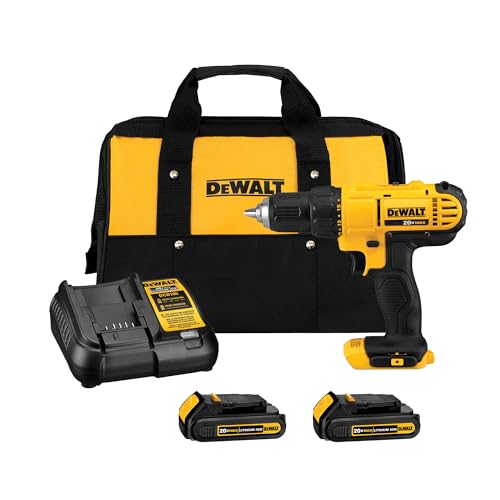
The 20V drill and driver combo that handles assembly, repairs and mounting jobs all day on one battery swap.
See it on Amazon →