1. Introduction to Meal Prep Services
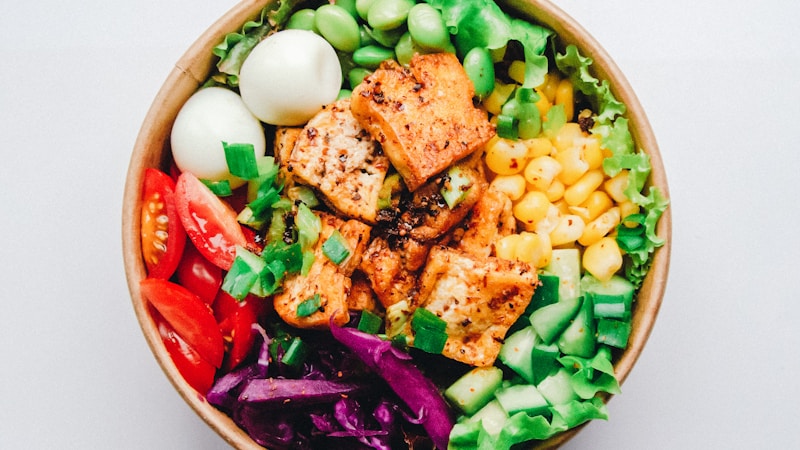
In a world where time is increasingly precious and health consciousness is rising, meal prep services have emerged as a booming opportunity for food lovers who want to turn their kitchen skills into income. Busy professionals, fitness enthusiasts, and families are all seeking the convenience of ready-to-eat healthy meals without the hassle of planning, shopping, and cooking.
As a meal prep entrepreneur, you plan menus, shop for ingredients, cook in batches, and deliver portioned meals ready for clients to heat and eat throughout the week. It's a business that combines creativity, efficiency, and the satisfaction of helping people eat better.
Whether you dream of becoming a personal chef, launching a specialty diet meal service, or simply earning extra income doing what you love, meal prep offers flexible entry points and significant scaling potential.
Why Meal Prep Works as a Side Hustle
- High profit margins (40-60% common)
- Recurring weekly revenue from repeat clients
- Batch cooking maximizes time efficiency
- Work primarily on weekends or specific prep days
- Low overhead compared to restaurants
2. Market Opportunity in 2026
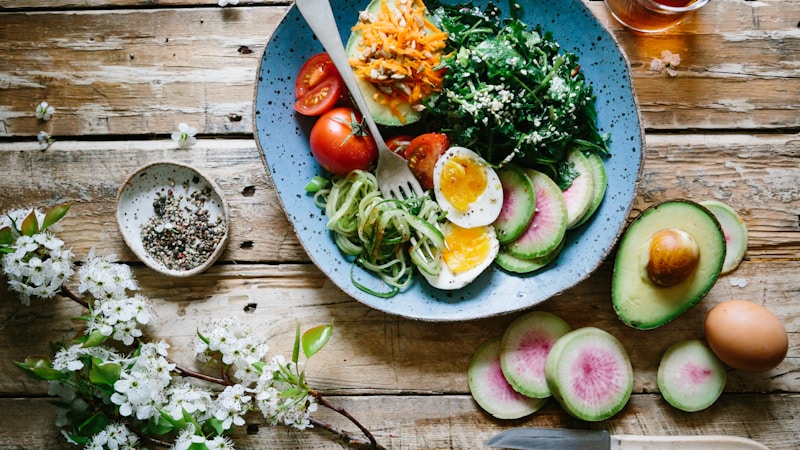
The meal kit and prepared meal market continues explosive growth, projected to exceed $25 billion by 2026. While large companies like HelloFresh focus on mass-market meal kits, there's tremendous opportunity for personal, customized meal prep services that big companies can't match.
Key Market Drivers
Health and Fitness Focus: More people than ever are prioritizing nutrition for weight management, athletic performance, and overall wellness. They want customized meals that meet their specific macro requirements.
Time Poverty: Dual-income households, long commutes, and demanding careers leave little time for meal planning and cooking. People will pay significant premiums for time savings.
Dietary Restrictions: Keto, paleo, vegan, gluten-free, and allergen-free diets are mainstream. Finding prepared meals that meet specific requirements is challenging, creating opportunity for specialized providers.
High-Value Niches
Fitness & Bodybuilding
High-protein, macro-counted meals for athletes and gym enthusiasts. Often willing to pay premium prices for precise nutrition.
Keto/Low-Carb
Strict carb requirements make eating out difficult. Dedicated keto meal prep services are highly sought after.
Senior Nutrition
Soft foods, heart-healthy options, and portion-controlled meals for aging clients. Often purchased by adult children for parents.
Post-Surgery/Recovery
Short-term meal prep for people recovering from surgery or illness. Premium pricing for specialized care.
3. Getting Started: Legal and Setup

Legal Requirements
Cottage Food Laws: Many states allow home-based food businesses under "cottage food" laws. These typically limit annual sales ($25,000-$75,000), restrict what you can sell (often no meat or dairy), and may require labeling. Research your state's specific requirements.
Commercial Kitchen Option: To sell without restrictions, you'll need access to a licensed commercial kitchen. Options include renting time at a commissary kitchen ($15-$25/hour), church kitchens, or shared commercial spaces. This adds cost but removes limitations.
Food Handler's Certification: Required in most states. The ServSafe certification or state equivalent demonstrates food safety knowledge. Cost is typically $15-$50 and can be completed online.
Essential Equipment
Kitchen Equipment Checklist
- ✓ Commercial-grade food scale (for portions)
- ✓ Large stock pots and sheet pans
- ✓ Quality knives and cutting boards
- ✓ Food processor/blender
- ✓ Meal prep containers (glass or BPA-free plastic)
- ✓ Vacuum sealer (extends freshness)
- ✓ Label maker or printed labels
- ✓ Insulated cooler bags for delivery
- ✓ Instant-read thermometer
Business Setup
- Register your business name
- Open a dedicated business bank account
- Get product liability insurance ($300-$500/year)
- Create ordering system (website, app, or simple form)
- Set up payment processing (Square, Stripe)
4. Services and Pricing Strategies
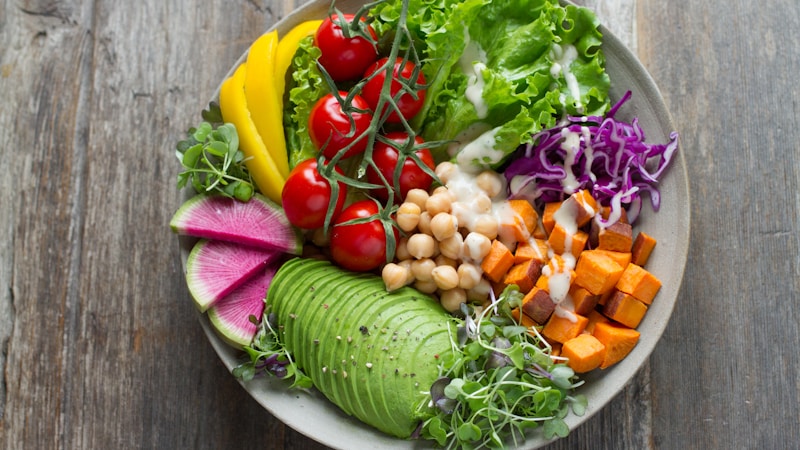
Service Models
Weekly Meal Plans
5-7 lunches and/or dinners prepared weekly. Most common model with predictable revenue. Clients select from rotating menu or customize based on dietary needs.
Personal Chef Service
Cook in client's home using their kitchen and groceries (or with included groceries). Premium pricing for the personalized experience.
Specialty/Event Meals
Post-baby meal trains, surgery recovery, holiday meals, or event catering. Higher per-meal pricing for special occasions.
Pricing Structure
| Package Type | Price Range | Notes |
|---|---|---|
| Per Meal Pricing | $12-$18/meal | Standard portions, most common |
| 5-Meal Weekly Pack | $55-$85 | Small discount for commitment |
| 10-Meal Weekly Pack | $100-$160 | Full week of lunches + dinners |
| Fitness/Macro Meals | $15-$22/meal | Custom macros, premium pricing |
| Personal Chef (In-Home) | $200-$400/session | Plus groceries, 4-6 hours |
| Delivery Fee | $5-$15 | Or free over $75-$100 |
Pricing Tip
Calculate your true costs including ingredients, packaging, delivery time, and prep labor. Target 40-60% profit margin. Don't underprice, clients associate low prices with low quality. Premium positioning attracts better clients who value quality and are less price-sensitive.
5. Menu Planning and Food Costs

Menu Strategy
Rotating Weekly Menu: Offer 4-6 entree options that rotate weekly. This provides variety while allowing you to batch cook efficiently. Clients choose their selections by a cutoff date (typically 3-4 days before prep day).
Core Protein Options: Build menus around proteins (chicken, beef, fish, tofu) with interchangeable sides. This allows customization while maintaining efficiency.
Seasonal Ingredients: Plan menus around seasonal produce to reduce costs and improve quality. Summer menus feature fresh vegetables; winter menus lean toward hearty stews and roasted root vegetables.
Managing Food Costs
Cost-Saving Strategies
- • Buy proteins in bulk from restaurant suppliers
- • Shop sales and plan menus around deals
- • Use frozen vegetables for cost consistency
- • Standardize portions to reduce waste
- • Design menus with ingredient crossover
Target Food Costs
- • Aim for 25-35% food cost per meal
- • $3-$5 ingredient cost for $12-$15 meal
- • Factor in packaging costs ($0.50-$1/meal)
- • Track costs weekly to maintain margins
- • Adjust pricing if ingredient costs spike
Sample Weekly Menu
Example Rotating Menu:
- Herb-Crusted Salmon with Quinoa and Roasted Broccoli
- Chicken Stir-Fry with Brown Rice and Asian Vegetables
- Grass-Fed Beef Meatballs with Zucchini Noodles
- Mediterranean Chicken with Couscous and Roasted Vegetables
- Turkey Taco Bowl with Cauliflower Rice
- Lemon Garlic Shrimp with Asparagus and Wild Rice
6. Finding and Retaining Clients

Client Acquisition Strategies
Instagram Marketing: Food is highly visual. Post appetizing photos of your meals, behind-the-scenes prep content, and client testimonials. Use local hashtags and engage with fitness and health communities in your area.
Gym Partnerships: Connect with local gyms, CrossFit boxes, and personal trainers. Offer samples or commission for referrals. Fitness-focused clients are ideal, they understand the value of proper nutrition.
Neighborhood Marketing: Focus on specific neighborhoods with your target demographic. Nextdoor, local Facebook groups, and community boards are effective for reaching busy professionals and families.
Corporate Wellness: Pitch to local businesses for employee wellness programs. Offer weekly meal delivery to offices or special pricing for employee groups.
Retention Strategies
Subscription Model
Offer discounted weekly subscriptions with auto-billing. This creates predictable revenue and makes you part of the client's routine.
Menu Variety
Rotate menus frequently to prevent boredom. Introduce seasonal specials and new dishes regularly to keep clients excited.
Personalization
Remember preferences, allergies, and favorites. A personal touch that big companies can't match keeps clients loyal.
Referral Rewards
Offer free meals or discounts for client referrals. Happy clients are your best marketing.
7. Operations and Workflow

Weekly Workflow
- 1Monday-Tuesday: Finalize orders, collect payments, create shopping lists based on client selections.
- 2Wednesday: Shop for ingredients. Visit wholesale clubs, farmers markets, and grocery stores.
- 3Thursday: Prep day, wash, chop, and prepare components. Marinate proteins.
- 4Friday: Cook day, batch cook all meals, portion into containers, label with reheating instructions.
- 5Saturday: Delivery day, deliver fresh meals to clients' homes or designated pickup location.
- 6Sunday: Rest, menu planning for next week, social media content creation.
Efficiency Tips
- Use a production schedule to maximize oven and stovetop time
- Prep all vegetables at once, then all proteins
- Cook similar dishes simultaneously (all chicken dishes together)
- Use a assembly-line approach for portioning
- Pre-print labels with meal names, dates, and reheating instructions
- Batch deliveries by geographic zone to minimize driving
8. Income Calculator
Estimate Your Weekly Earnings
Results vary; these are estimates, not guarantees.
9. Frequently Asked Questions
It depends on your state. Many states have cottage food laws allowing home-based food businesses with sales caps ($25,000-$75,000/year). However, most cottage food laws restrict meat and dairy products. For full flexibility, rent time in a commercial kitchen ($15-$25/hour) or look for shared kitchen incubators in your area.
Take allergies seriously, they're potentially life-threatening. Have clients complete detailed intake forms. Label all meals with allergens. If you can't accommodate safely (like severe cross-contamination risks), decline the client. Consider specializing in common restrictions (gluten-free, dairy-free) to develop expertise.
Properly stored refrigerated meals last 4-5 days. For longer freshness, consider vacuum sealing or offering frozen options. Always label meals with prep date and "best by" date. Include proper storage and reheating instructions with each delivery.
Working solo with a 2-day prep/cook schedule, most operators comfortably handle 15-25 weekly clients (100-200 meals). Beyond that, you'll need help or efficiency improvements. Start with fewer clients to perfect your processes before scaling.
Most meal prep operators do personal delivery, which allows relationship building and feedback collection. Use insulated cooler bags to maintain temperature. Batch deliveries by geographic area. Some operators offer pickup locations (their home, gym partners) to reduce delivery time.
Ready to Start Your Meal Prep Business?
Turn your love of cooking into a profitable business helping busy people eat better. Start with a few clients and grow from there.
Explore More Side Hustles