Why Interior Painting is a Profitable Side Hustle

Painting is one of the most in-demand home services. Every home needs repainting every 5-10 years, plus moves, renovations, and aesthetic updates create constant demand. The learning curve is manageable, startup costs are low, and profit margins are excellent once you develop efficiency.
Market Opportunity
- • $40+ billion painting industry in the U.S.
- • Professional painters charge $2-$6+ per square foot
- • Average room costs $300-$800 to paint
- • Whole-house jobs range $3,000-$15,000+
- • Indoor work means year-round income
Services & Pricing
Per Room Pricing
- Bedroom (12x12): $300-$500
- Living Room: $400-$700
- Kitchen: $400-$800
- Bathroom: $200-$400
- Hallway: $200-$400
Per Square Foot
- Walls only: $2-$4/sq ft
- Walls + ceiling: $3-$5/sq ft
- With trim: $4-$6/sq ft
- Cabinet painting: $50-$100/door
Add-On Services
- Trim/baseboards: $1-$3/linear ft
- Door painting: $50-$100/door
- Accent walls: 50% premium
- Ceiling painting: $1-$2/sq ft
- Wallpaper removal: $1-$3/sq ft
- Drywall repair: $50-$200+ depending on size
Equipment & Supplies
Starter Kit ($500-$1,000)
- • Quality brushes (Purdy, Wooster) - $50-$100
- • Roller frames and covers - $50-$100
- • Extension pole - $20-$40
- • Drop cloths (canvas preferred) - $50-$100
- • Painter's tape (FrogTape, 3M) - $30-$50
- • 5-gallon buckets and grids - $30-$50
- • Step ladder and extension ladder - $150-$300
- • Caulk gun and caulk - $30-$50
- • Putty knife and spackle - $20-$30
Professional Upgrades
- Airless sprayer: $300-$600 (Graco, Wagner)
- Professional ladder set: $200-$400
- Scaffold/plank: $100-$200
- Paint-edging tool: $20-$50
Sprayers increase speed dramatically for large jobs
Quality Paint Matters
Use premium paint (Benjamin Moore, Sherwin-Williams). It covers better, requires fewer coats, and lasts longer. Charge accordingly. Never cheap out on paint quality, it reflects on your work.
The Painting Process
-
1
Prep the room: Move/cover furniture, lay drop cloths, remove outlet covers
-
2
Clean surfaces: Remove dust, cobwebs, grease. Light sand if needed.
-
3
Repair: Fill holes, cracks with spackle. Sand smooth when dry.
-
4
Tape: Apply painter's tape to trim, ceiling lines, fixtures
-
5
Prime: Use primer on bare drywall, stains, or drastic color changes
-
6
Cut in: Brush edges around trim, ceiling, corners
-
7
Roll: Apply paint with roller in "W" pattern. Work in sections.
-
8
Second coat: Allow proper dry time, apply second coat
-
9
Clean up: Remove tape, touch up, clean room, final inspection
Estimating Jobs
How to Calculate
Finding Customers
Marketing Channels
- Nextdoor: Neighborhood recommendations
- Facebook groups: Local community pages
- Google Business: "Painters near me" searches
- Thumbtack/HomeAdvisor: Lead generation
- Door hangers: Newly sold homes
Referral Partners
- Realtors: Move-in/move-out painting
- Property managers: Tenant turnover
- Interior designers: Renovation projects
- Contractors: New construction finishing
Income Calculator
Four things that pay for themselves
Every hustle on this page has a bottleneck, and it is usually equipment rather than effort. These four remove the most common ones, and each is cheap next to what it unlocks.
 Blue Yeti USB Microphone
Under $150
The gap between phone audio and this is the gap between a channel nobody finishes and one people subscribe to. Pays for itself on the first sponsored read.
Check price on Amazon →
Blue Yeti USB Microphone
Under $150
The gap between phone audio and this is the gap between a channel nobody finishes and one people subscribe to. Pays for itself on the first sponsored read.
Check price on Amazon →
 UBeesize Ring Light with 62 in Tripod
Under $50
Good light is the cheapest thing that makes content look professional. Works for video, product photos and client calls.
Check price on Amazon →
UBeesize Ring Light with 62 in Tripod
Under $50
Good light is the cheapest thing that makes content look professional. Works for video, product photos and client calls.
Check price on Amazon →
 KNAON Thermal Shipping Label Printer
Under $50
If you are reselling, this ends the ink-and-tape routine entirely. Most people who buy one say it is the purchase that made shipping tolerable.
Check price on Amazon →
KNAON Thermal Shipping Label Printer
Under $50
If you are reselling, this ends the ink-and-tape routine entirely. Most people who buy one say it is the purchase that made shipping tolerable.
Check price on Amazon →
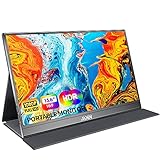 MNN 15.6 in Portable Monitor
Under $50
A second screen anywhere. The single biggest speed-up for anything involving copying between two windows, which is most freelance work.
Check price on Amazon →
MNN 15.6 in Portable Monitor
Under $50
A second screen anywhere. The single biggest speed-up for anything involving copying between two windows, which is most freelance work.
Check price on Amazon →
As an Amazon Associate we earn from qualifying purchases, at no extra cost to you. Prices change, so check before buying.
*Material costs ~20-30% of job. Net profit typically 50-65%.
Results vary; these are estimates, not guarantees.
Common Mistakes to Avoid
- • Skipping prep: Poor prep = poor results. Never skip it.
- • Cheap paint: Low-quality paint costs more in labor
- • Wrong sheen: Match sheen to room (matte walls, semi-gloss trim)
- • Cutting corners on tape: Clean lines require clean tape
- • Not covering properly: One paint splatter can cost you
- • Underpricing: Know your worth. Quality costs money.
FAQ
Ready to Start Your Painting Business?
High demand, solid margins, and satisfying transformations.
Explore More Guides