The companion books
by Marcus Reed
How to start a home repair business, quote flat rate instead of hourly, stay inside the unlicensed work limits, and keep a real wage after costs and taxes.
How to Start a Local Service Business
by Jordan Hale
Pressure washing, house cleaning, car detailing, lawn care, holiday lights and other cash businesses you can launch for under $1,000.
1. Introduction to Handyman Services

The handyman industry continues to thrive in 2026 as homeowners increasingly prioritize convenience and professional-quality repairs. With the average American home now over 40 years old and housing turnover rates at historic lows, the demand for maintenance, repairs, and improvements has never been higher.
As a handyman, you're the go-to solution for the countless small-to-medium projects that don't warrant hiring a specialized contractor. From fixing leaky faucets and hanging TVs to assembling furniture and patching drywall, your versatility is your greatest asset. While specialists focus on one trade, you offer convenience and breadth.
2026 Market Insight
The home services market is projected to reach $600 billion in 2026. Handyman services specifically are growing at 4.5% annually, driven by aging housing stock, busy dual-income households, and the decline of traditional DIY skills among younger generations.
What makes handyman work an exceptional side hustle is the flexibility. You can work evenings and weekends, choose projects that match your skills, and set your own rates. Many handymen start part-time while keeping their day job, eventually transitioning to full-time when their client base is established.
2. Services You Can Offer
The beauty of handyman work is its diversity. Here are the most common and profitable service categories you can offer:
General Repairs
- - Drywall patching and repair
- - Door installation and adjustment
- - Window repair and weatherstripping
- - Lock installation and rekeying
- - Caulking and sealing
- - Minor structural repairs
Installation Services
- - TV and monitor mounting
- - Shelf and storage installation
- - Ceiling fan installation
- - Light fixture replacement
- - Smart home device setup
- - Furniture assembly
Plumbing (Minor)
- - Faucet replacement
- - Toilet repair and installation
- - Garbage disposal replacement
- - Drain clearing
- - Showerhead replacement
- - Water heater maintenance
Exterior Work
- - Fence repair and staining
- - Deck maintenance
- - Gutter cleaning and repair
- - Pressure washing
- - Siding repair
- - Mailbox installation
High-Margin Specialty Services
Some services command premium rates due to skill requirements or inconvenience factors:
- Tile Work: $75-$150/hour - Backsplash installation, floor tile repair
- Trim Carpentry: $60-$100/hour - Crown molding, baseboards, wainscoting
- Deck Building: $50-$90/hour - New construction and major repairs
- Senior/Accessibility: $60-$100/hour - Grab bars, ramps, safety modifications
- Smart Home: $75-$125/hour - Doorbell cameras, thermostats, automated systems
3. Essential Skills & Training
The most successful handymen possess a combination of technical skills, problem-solving ability, and customer service excellence. Here's how to develop your capabilities:
Core Technical Skills
Carpentry Fundamentals
Learn to measure precisely, cut accurately, and join materials properly. Master the use of saws, drills, and fasteners. Understanding wood behavior and structural principles is essential.
Basic Plumbing
Know how water supply and drainage systems work. Learn to solder copper, work with PEX and PVC, and troubleshoot common issues. Understanding when to call a licensed plumber is equally important.
Electrical Basics
Understand circuits, switches, and outlets. Know how to safely replace fixtures and switches. Major electrical work requires licensing, but basic replacements and troubleshooting are handyman territory.
Drywall & Finishing
Master patching holes, taping seams, and achieving smooth finishes. This is one of the most commonly requested services and a skill that separates professionals from amateurs.

Where to Learn
Free Resources
- - YouTube channels (This Old House, Home RenoVision)
- - Home Depot/Lowe's workshops
- - Manufacturer installation guides
- - Library books and videos
- - Reddit r/HomeImprovement community
Paid Training
- - Community college trade courses
- - Vocational schools
- - Professional certifications (EPA, etc.)
- - Apprenticeship programs
- - Online courses (Skillshare, Udemy)
Pro Tip: Start With What You Know
Begin offering services in areas where you're already competent. Use income from those jobs to fund training in new skills. Gradually expand your service menu as your abilities grow.
4. Tools & Equipment
Quality tools are your primary business investment. Buy professional-grade equipment that will last years of daily use. Here's a comprehensive breakdown:
Essential Starter Kit ($1,500 - $2,500)
| Tool | Purpose | Cost |
|---|---|---|
| Cordless Drill/Driver Kit | Drilling, driving screws | $150-$300 |
| Circular Saw | Cutting lumber, plywood | $100-$200 |
| Reciprocating Saw | Demo, rough cuts | $100-$150 |
| Jigsaw | Curved and intricate cuts | $80-$150 |
| Multi-tool | Cutting, sanding, scraping | $100-$200 |
| Hand Tool Set | Hammers, pliers, screwdrivers | $150-$300 |
| Measuring Tools | Tape, level, square, stud finder | $100-$200 |
| Ladders (6ft & extension) | Elevated work access | $200-$400 |
| Tool Bags/Boxes | Organization, transport | $100-$200 |

Specialty Tools to Add Later
Plumbing Kit
- - Pipe wrenches (set)
- - Basin wrench
- - Propane torch & solder
- - PEX tools
- - Drain snake
~$300-$500
Drywall Kit
- - Taping knives (set)
- - Mud pan
- - Sanding tools
- - Drywall saw
- - T-square
~$150-$250
Tile Kit
- - Wet tile saw
- - Tile cutter
- - Trowels & floats
- - Spacers & leveling system
- - Grout tools
~$400-$800
Electrical Kit
- - Multimeter
- - Wire strippers
- - Voltage tester
- - Fish tape
- - Wire nuts & connectors
~$150-$300
Vehicle Considerations
A reliable truck, van, or SUV is essential for transporting tools and materials. Many handymen start with whatever vehicle they own and upgrade later. Consider installing tool organization systems in your vehicle to maximize efficiency and present a professional image.
5. Licensing, Insurance & Legal
Protecting yourself legally is crucial for long-term success. The requirements vary significantly by location, so research your specific area thoroughly.
Licensing Requirements
Handyman licensing is regulated at the state and local level. Common structures include:
- No License Required: Many states don't require licenses for handyman work under a certain dollar threshold per job (commonly $500-$1,500)
- Handyman Registration: Some jurisdictions require registering as a handyman without a full contractor exam
- Contractor License: If you exceed the job limit or perform specialty work (electrical, plumbing, HVAC), you'll likely need a contractor's license
- Business License: Nearly all areas require a general business license regardless of trade licensing

Essential Insurance
General Liability Insurance
Covers property damage and injuries you cause while working. This is essential and often required by clients.
$500 - $1,500/year
Tools & Equipment Insurance
Covers theft or damage to your tools. Worth considering once your tool investment is significant.
$200 - $500/year
Business Structure
Most handymen start as sole proprietors but should consider forming an LLC for liability protection:
- Sole Proprietor: Simplest structure, but no liability separation
- LLC: Protects personal assets from business liabilities. Formation costs $50-$500 depending on state
- S-Corp: May offer tax advantages once earning $50K+ annually
Important Warning
Never perform work that requires licensing you don't have. Unlicensed work in regulated trades can result in fines, lawsuits, and even criminal charges. When in doubt, subcontract to a licensed professional or decline the work.
6. Pricing Your Services
Strategic pricing ensures profitability while remaining competitive. Here are the primary pricing models and when to use each:
Pricing Models
Hourly Rate
Best for: Unpredictable jobs, repairs, troubleshooting, small tasks
Entry Level
$40-$60/hr
Experienced
$60-$85/hr
Premium/Urban
$85-$125/hr
Flat Rate/Project Pricing
Best for: Defined scope jobs you've done many times. Allows you to profit from efficiency.
- - TV mounting: $75-$200
- - Ceiling fan install: $100-$250
- - Faucet replacement: $100-$200
- - Toilet replacement: $150-$300
- - Door installation: $150-$350
- - Drywall patch (small): $75-$150
- - Furniture assembly: $50-$150
- - Gutter cleaning: $100-$250
Minimum Service Charge
Protect your time with a minimum charge of $75-$150 for any job, regardless of how small. This covers your travel time and ensures every trip is worthwhile.

Calculating Your Rate
Your hourly rate should cover more than just your time. Factor in these costs:
- Labor: What you want to earn hourly
- Overhead: Vehicle, gas, insurance, tools, phone, marketing
- Unbillable time: Estimates, travel, admin, learning
- Self-employment taxes: 15.3% of net income
- Profit margin: Buffer for growth and reserves
Rule of thumb: If you want to take home $30/hour, charge $60-$75/hour.
7. Finding Clients
Building a steady client base is crucial for consistent income. The best handymen use a multi-channel approach to generate leads:
Online Platforms
TaskRabbit
Large platform for handyman and home services. You set your rates and accept jobs that fit your schedule.
Fee: 15% service fee
Thumbtack
Lead generation platform where you pay for leads, not completed jobs. Good for building a client base.
Fee: Pay-per-lead ($5-$50+)
Angi (formerly Angie's List)
Established platform with homeowner reviews. Good for reaching quality-conscious clients.
Fee: Lead fees vary
Nextdoor
Neighborhood-based platform where locals recommend services. Free to join and get organic referrals.
Fee: Free (paid promotion available)

Direct Marketing Strategies
Google Business Profile (Essential)
Create and optimize your Google listing to appear in local searches. Collect reviews aggressively - they're your most powerful marketing asset.
Door Hangers & Flyers
Target specific neighborhoods, especially older homes. Leave flyers after completing jobs in an area to capture neighbors who see your truck.
Business Cards & Vehicle Signage
Professional materials build credibility. Magnetic signs for your vehicle turn every job into mobile advertising.
Referral Program
Offer existing clients a discount or credit for referrals that result in new customers. Word-of-mouth is the handyman's best friend.
The 5-Review Rule
Ask every satisfied customer for a Google review. Your first 5 reviews are the most critical - they establish legitimacy. After 20+ reviews with a 4.5+ rating, you'll have a steady stream of inbound leads.
8. Running Your Business
Efficient operations separate successful handymen from those who struggle. Here's how to manage the business side effectively:
Scheduling & Communication
- Schedule strategically: Group jobs geographically to minimize drive time. Morning and evening appointments work well for side hustlers.
- Confirm appointments: Send reminder texts 24 hours before and when you're heading to the job.
- Communicate delays: If you're running late, call immediately. Clients respect communication.
- Set expectations: Provide arrival windows rather than exact times (e.g., "between 2-3 PM").
Job Workflow
Inquiry
Respond within 1 hour. Ask clarifying questions.
Estimate
Provide written quote with scope and terms.
Execute
Arrive prepared. Protect the home. Do quality work.
Follow-up
Send invoice. Request review. Note for future work.

Essential Business Tools
Scheduling & CRM
- - Jobber (handyman-specific)
- - Housecall Pro
- - Google Calendar (free)
Invoicing & Payments
- - Square (invoicing + card reader)
- - Wave (free invoicing)
- - QuickBooks Self-Employed
Track Everything
Keep records of all income, expenses, and mileage from day one. Use a separate bank account and credit card for business. These practices simplify taxes and help you understand your true profitability.
9. Income Calculator
Estimate your potential earnings based on your availability and pricing:
Weekly Gross
$0
Monthly Net
$0
Annual Net
$0
*Net estimates after overhead deduction. Does not include self-employment taxes.
Results vary; these are estimates, not guarantees.
10. Scaling Your Business
Once you've established yourself, there are several paths to grow your income and business:

Raise Your Rates
As you build reputation and reviews, increase prices by 10-15% annually. Premium pricing attracts premium clients who value quality over bargains.
Specialize
Become the go-to expert in a high-value niche like senior home modifications, smart home installation, or premium finish carpentry. Specialists command higher rates.
Add Services
Expand into complementary services like pressure washing, junk removal, or seasonal work (holiday lights, gutter cleaning). More services = more revenue per client.
Build a Crew
Hire helpers or subcontractors to increase capacity. This requires more licensing and insurance but can multiply your income significantly.
Property Management Contracts
Building relationships with landlords, property managers, and real estate agents can provide steady, recurring work. These clients often have multiple properties and prefer one reliable handyman for all their needs. They're worth pursuing even at slightly lower rates due to the volume and consistency.
Full-Time Transition Checklist
- ✓ Steady monthly income covering expenses plus 20% buffer
- ✓ 6+ months of living expenses saved
- ✓ Health insurance solution in place
- ✓ Established client base with repeat customers
- ✓ Strong review profile (50+ reviews, 4.5+ rating)
- ✓ Multiple lead sources generating consistent inquiries
11. Frequently Asked Questions
Licensing requirements vary by state and municipality. Most states allow handyman work under a certain dollar amount (typically $500-$1,500 per job) without a contractor's license. However, specialized work like electrical, plumbing, and HVAC typically requires proper licensing. Always check your local regulations before starting.
Start at the lower end of market rates for your area, typically $40-$60/hour. As you gain experience, reviews, and confidence, raise your rates. Research competitors on platforms like Thumbtack and TaskRabbit to understand local pricing. Remember that being too cheap can actually hurt credibility.
Start with platforms like TaskRabbit or Thumbtack where clients are actively looking for help. Offer your services to friends and family at a discount in exchange for honest reviews. Create a Google Business Profile and post on Nextdoor. Your first 5-10 clients with great reviews will unlock many more.
For tools you'll use daily (drill, saw, etc.), invest in professional-grade brands like Milwaukee, DeWalt, or Makita. For specialty tools you'll use rarely, cheaper brands are fine. Good tools last longer, work better, and make you more efficient - they pay for themselves quickly.
Never accept a job you're not confident you can complete well. It's better to decline than to damage your reputation. For jobs slightly outside your comfort zone, watch tutorial videos before quoting. You can also subcontract to specialists for work requiring licenses you don't have, maintaining the client relationship.
General liability insurance is essential - it protects you if you accidentally damage a client's property or someone gets injured. Start with at least $500,000 in coverage (around $500-$1,000/year). Add tool insurance once you've invested significantly in equipment. If you hire employees, you'll also need workers' compensation.
Ready to Start Your Handyman Business?
You have the skills. You have the knowledge. Now it's time to take action and build your own profitable home services business.
Explore More GuidesEssential Gear for Handymen
As an Amazon Associate, we earn from qualifying purchases.
- →Cordless Drill Set Essential for most repairs
- →Multi-Bit Screwdriver Set Handles any screw type
- →Stud Finder Find studs for secure mounting
- →Tool Belt Organizer Keep tools within reach

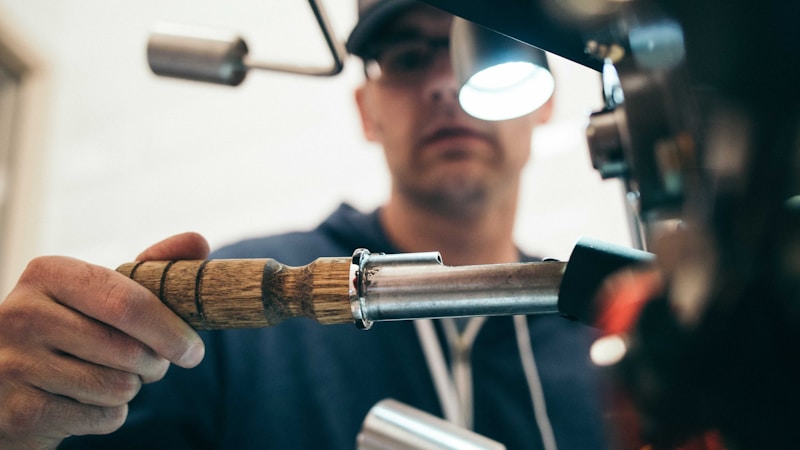
A double-bevel sliding compound saw, the one tool that turns furniture repair and trim work from tedious into billable.
See it on Amazon →