DoorDash Driver Earnings 2026: Complete Pay Guide
DoorDash driver earnings in 2026 range from $15-25 per hour, with experienced Dashers in prime markets earning up to $30/hour during peak times.
DoorDash driver earnings in 2026 range from $15-25 per hour, with experienced Dashers in prime markets earning up to $30/hour during peak times. Whether you're looking for flexible part-time income or full-time work, understanding DoorDash's pay structure, Peak Pay bonuses, and strategic delivery acceptance is crucial for maximizing your earnings. This comprehensive guide breaks down real earnings data, expense considerations, and proven strategies from drivers earning $800-1,200+ weekly.
DoorDash Earnings Quick Stats 2026
Average Hourly Rate
$15-25/hour
Weekly Earnings (Part-Time)
$300-600
Weekly Earnings (Full-Time)
$700-1,200
Peak Time Premium
+$1-5/order
The companion book
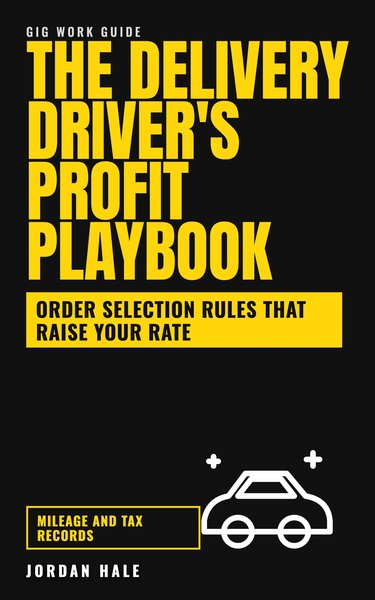
The Delivery Driver's Profit Playbook
by Jordan Hale
How to earn more per hour on DoorDash, Uber Eats, Instacart, Amazon Flex and Walmart Spark, track every mile, and keep more after taxes.
Understanding DoorDash Pay Structure
DoorDash's pay model consists of three main components that determine your per-delivery earnings:
Base Pay ($2-10 per delivery)
Base pay is DoorDash's guaranteed minimum payment for each delivery. It varies based on:
- Delivery distance: Longer trips earn higher base pay
- Delivery time: Expected duration affects base compensation
- Order desirability: Orders declined by other drivers may have increased base pay
- Market conditions: Busy times in high-demand areas
Pro Tip: Base pay typically starts at $2.50 but increases when orders are repeatedly declined. Some drivers report base pay exceeding $10 for difficult deliveries during peak demand.
Customer Tips ($3-8 average)
Tips represent the largest portion of most delivery earnings. Unlike some platforms, DoorDash shows the tip amount upfront (though sometimes partially hidden as "total may be higher").
- Average tips range from $3-8 per order
- Higher-value orders generally include larger tips
- Apartment deliveries often tip less than houses
- Tips can be adjusted by customers after delivery (rare but possible)
Peak Pay & Promotions ($1-5 bonus)
Peak Pay is DoorDash's incentive system for busy times and understaffed areas:
- Peak Pay: Extra $1-5 per delivery during designated times
- Challenges: Complete X deliveries for bonus payments ($15-50 typical)
- High-value order bonuses: Extra pay for large catering orders
- Weather bonuses: Increased pay during rain, snow, or extreme conditions
Real DoorDash Earnings by Experience Level
| Experience Level | Hourly Rate | Weekly (20hrs) | Weekly (40hrs) | Key Factors |
|---|---|---|---|---|
|
Beginner
Week 1-4
|
$12-18/hr | $240-360 | $480-720 | Learning routes, accepting most orders, slower delivery times |
|
Intermediate
Month 2-3
|
$18-22/hr | $360-440 | $720-880 | Strategic acceptance, knows restaurants, optimizing routes |
|
Experienced
Month 4+
|
$20-25/hr | $400-500 | $800-1,000 | Selective strategy, multi-apping, peak time focus |
|
Expert
6+ months, top markets
|
$25-30/hr | $500-600 | $1,000-1,200 | Top Dasher, urban market, dinner/weekend focus, multi-app mastery |
Note: These figures represent gross earnings before expenses (gas, maintenance, taxes). Net earnings are typically 60-75% of gross after all expenses.
Earnings by Market Type
Your location significantly impacts DoorDash earnings potential. Here's what to expect in different markets:
Major Urban Markets
$20-30/hr
Cities: NYC, LA, Chicago, SF, Boston, Seattle
- ✓ High order volume
- ✓ Better tips
- ✓ More Peak Pay
- ✓ Shorter distances
- ✗ Higher traffic
- ✗ Parking challenges
Suburban Markets
$15-22/hr
Medium cities and suburbs
- ✓ Consistent orders
- ✓ Easy parking
- ✓ Less traffic
- ✓ Family tips well
- ✗ Longer distances
- ✗ More driving
Rural/Small Town
$12-18/hr
Small towns, rural areas
- ✓ No traffic
- ✓ Easy navigation
- ✗ Low order volume
- ✗ Long distances
- ✗ Limited restaurants
- ✗ Inconsistent demand
10 Proven Tips to Maximize DoorDash Earnings
1. Master the $1-2 per Mile Rule
Only accept orders paying at least $1.50-2 per mile. A 5-mile delivery should pay $7.50-10 minimum. This ensures you're compensated for both the delivery drive and return trip to your zone.
2. Work Peak Times Religiously
Focus on lunch (11am-2pm) and dinner (5pm-9pm) rushes when order volume and tips are highest. Weekend evenings (Friday-Sunday 5pm-10pm) consistently generate the best hourly rates.
3. Learn Your Restaurant Wait Times
Track which restaurants have food ready versus 10+ minute waits. Avoid slow restaurants during rush hours, your time is money. Fast food and chain restaurants are typically more efficient.
4. Position Yourself Strategically
Wait in areas with multiple popular restaurants (shopping centers, downtown areas). This reduces dead miles driving to pickups and keeps you in the order flow.
5. Multi-App During Slow Periods
Run Uber Eats, Grubhub, or Instacart simultaneously. Accept the best-paying order from any platform. This can increase earnings by 30-50% by reducing idle time between deliveries.
6. Decline Without Fear
Your acceptance rate doesn't significantly affect order offers (unless pursuing Top Dasher status). It's better to decline 10 low-paying orders and wait for 2 good ones than accept everything.
7. Maintain 4.7+ Customer Rating
Good ratings provide access to better orders. Always communicate delays, follow delivery instructions exactly, and include utensils/napkins when requested. Professional service protects your earning potential.
8. Chase Peak Pay Strategically
Peak Pay attracts more drivers, which can reduce overall order availability. Sometimes working adjacent zones without Peak Pay is more profitable due to less competition.
9. Track Every Mile for Taxes
Use Stride, Everlance, or MileIQ to automatically log all driving miles. At the 2026 rate (72.5 cents per mile from 1/1 to 6/30/2026, 76 cents per mile from 7/1 to 12/31/2026, source: irs.gov), proper tracking saves $3,000-6,000 annually in taxes for active drivers.
10. Invest in Efficiency Tools
Quality phone mount ($15-30), car charger ($10-20), insulated bags ($20-40), and a flashlight ($10-15) improve delivery speed and customer satisfaction, leading to better ratings and more orders.
DoorDash Driver: Pros and Cons
Pros
- ✓ True flexibility: Work anytime with no schedule commitments
- ✓ Quick payouts: Fast Pay available ($1.99 for instant deposit)
- ✓ Low barrier to entry: Start earning within days of approval
- ✓ Transparent pay: See earnings before accepting orders
- ✓ Market leader: Most orders available in most markets
- ✓ Solo work: Minimal customer interaction required
- ✓ Good earning potential: $20-25/hr achievable with strategy
Cons
- ✗ Vehicle wear and tear: Significant maintenance costs
- ✗ Inconsistent income: Varies by day, season, weather
- ✗ No benefits: No health insurance, PTO, or retirement
- ✗ Self-employment taxes: Pay both employer/employee portions
- ✗ Market saturation: Too many drivers in some areas
- ✗ Weather dependency: Work in rain, snow, heat for best pay
- ✗ Deactivation risk: Low ratings can end your ability to dash
The Real Cost of Dashing: Expense Breakdown
Understanding your true net income requires accounting for all business expenses. Here's what to expect:
| Expense Category | Monthly Cost | Notes |
|---|---|---|
| Gas (500-1000 miles/week) | $150-300 | Based on 25 MPG, $3.50/gallon |
| Maintenance & Repairs | $100-200 | Oil changes, tires, brakes, wear items |
| Car Insurance Increase | $25-75 | Commercial coverage or rideshare add-on |
| Phone/Data Plan | $30-50 | Partial business use deduction |
| Taxes (25-30% of profit) | $400-600 | Self-employment + income tax |
| TOTAL MONTHLY EXPENSES | $705-1,225 | Varies by miles driven |
Example: Part-Time Dasher (20 hrs/week)
Gross earnings: 20 hrs × $20/hr × 4.33 weeks = $1,732/month
Estimated expenses: -$705 (low estimate for part-time)
Net profit: $1,027/month ($12.85/hour actual)
This represents a 40% reduction from gross to net earnings, typical for delivery drivers.
DoorDash vs Other Delivery Platforms
| Platform | Hourly Rate | Order Volume | Best Feature | Drawback |
|---|---|---|---|---|
| DoorDash | $15-25/hr | Highest | Market leader, most orders | Over-saturated markets |
| Uber Eats | $12-22/hr | High | Full pay transparency | Lower base pay |
| Grubhub | $13-23/hr | Medium | Scheduling priority for blocks | Lower market share |
| Instacart | $15-25/hr | Medium | Larger orders, better tips | Heavy lifting, shopping time |
| Amazon Flex | $18-25/hr | Limited | Guaranteed hourly rate | Block availability issues |
Multi-App Strategy: Most successful delivery drivers run 2-3 apps simultaneously, accepting the best-paying orders from any platform. This can increase hourly earnings by 30-50%. Learn more in our complete food delivery apps comparison.
Frequently Asked Questions
How much do DoorDash drivers make per hour?
DoorDash drivers typically earn $15-25 per hour, with experienced Dashers in busy markets earning up to $25-30/hour during peak times. Earnings include base pay ($2-10 per delivery), customer tips (typically $3-8 per order), and promotional pay like Peak Pay ($1-5 extra per delivery during busy times). New drivers average $12-18/hour while learning optimal routes and strategies.
Can you make money with DoorDash?
Yes, earning $1000 per week with DoorDash is achievable by working 40-50 hours during peak times and maintaining a strategic approach. At an average of $20/hour, you need 50 hours to reach $1000. This requires working lunch shifts (11am-2pm) and dinner shifts (5pm-9pm) seven days per week, accepting high-value orders, and possibly multi-apping during slow periods. Factor in gas costs ($150-250/week), vehicle maintenance, and taxes (25-30%) for actual take-home pay.
What affects DoorDash driver earnings the most?
Five key factors impact earnings: (1) Market location - urban areas offer more orders and better tips; (2) Time of day - meal rushes generate 60-80% of daily orders; (3) Order selection - declining low-paying orders improves hourly rates; (4) Delivery efficiency - knowing your area and optimizing routes; (5) Customer service - high ratings provide access to better orders. Seasonal factors like weather and holidays also create earning spikes.
Is DoorDash better than Uber Eats for earnings?
DoorDash and Uber Eats offer comparable earnings ($15-25/hour average), but each has advantages. DoorDash typically has higher order volume, while Uber Eats shows more upfront pay information. The best strategy is multi-apping - running both apps simultaneously and accepting the best-paying orders from either platform. This can increase hourly earnings by 30-50% compared to using just one app.
What expenses should DoorDash drivers track?
Track all business expenses for tax deductions: vehicle expenses using either standard mileage (72.5 cents/mile from 1/1 to 6/30/2026, 76 cents/mile from 7/1 to 12/31/2026, source: irs.gov) or actual expenses (gas, maintenance, insurance, registration), smartphone expenses, delivery bags, phone accessories, and safety equipment. Set aside 25-30% of gross earnings for taxes. Proper expense tracking can reduce taxable income by $5,000-15,000 annually for active drivers.
What are the best times to dash for maximum earnings?
The most profitable times are meal rushes: lunch (11am-2pm) and dinner (5pm-9pm) daily. Friday and Saturday dinner shifts (5pm-10pm) offer the highest earnings. Late-night (9pm-midnight) works well in college towns and urban areas. Weather impacts demand significantly - rain, snow, or extreme heat increase orders by 40-60% while reducing active drivers, creating Peak Pay bonus opportunities.
