1. Introduction to DJ Services

DJing has evolved from a niche hobby to a mainstream profession with incredible earning potential. In 2026, the demand for skilled DJs spans from intimate house parties to massive corporate events, weddings, clubs, and festivals. If you love music and connecting with crowds, DJing offers one of the most rewarding and lucrative side hustles available.
The modern DJ industry has never been more accessible. Digital technology has lowered the barriers to entry while raising the ceiling for what's possible. You can start with minimal equipment and grow into a full mobile DJ operation or even a touring artist. The key is mastering the fundamentals and building a reputation in your local market.
2026 Market Opportunity
The global DJ equipment market exceeds $1.5 billion, reflecting the industry's growth. The wedding industry alone employs hundreds of thousands of DJs annually. Corporate events increasingly prioritize entertainment quality. Club culture continues to thrive globally. There's never been a better time to enter the DJ business.
What makes DJing exceptional as a side hustle is the earning potential per hour of work. While learning takes time, once you're established, a 4-5 hour wedding gig can pay $1,000-$2,000+. Weekend warriors working just Friday and Saturday nights can generate significant income while keeping their day jobs.
$500-2K+
Per Event
4-6
Hours Per Gig
Weekends
Peak Demand
2. Essential DJ Skills
Successful DJing combines technical abilities with crowd psychology and performance skills:
Core Technical Skills
Mixing Fundamentals
- - Beatmatching (sync and manual)
- - Phrase matching
- - EQ mixing
- - Gain staging
- - Smooth transitions
- - Using effects tastefully
Music Knowledge
- - Understanding BPM and keys
- - Genre characteristics
- - Song structure awareness
- - Music history and trends
- - Era-specific knowledge
- - Current hits awareness

Performance Skills
Reading the Crowd
The most critical skill for any event DJ. Watch the dance floor, observe reactions, and adjust your set in real-time. Know when to build energy and when to pull back. This skill separates professionals from hobbyists.
Energy Management
Understanding how to build, peak, and sustain energy throughout an event. A wedding reception has different energy arcs than a club night. Learning to control the room's vibe is essential.
Stage Presence
You're an entertainer. Engage with the crowd, show enthusiasm, and look like you're having fun. Your energy is contagious. Dead DJs create dead dance floors.
MC Skills
For event DJs, microphone skills are essential. Announcing the wedding party, directing activities, and hyping the crowd all require confident, clear speaking ability.
Learning Resources
- YouTube Channels: DJ Carlo Atendido, Crossfader, DJ TechTools, Phil Harris
- Online Courses: Digital DJ Tips, Udemy DJ courses, Skillshare
- Practice Apps: djay by Algoriddim (free to start), Virtual DJ
- Communities: r/Beatmatch, DJ forums, local DJ groups
- Mentorship: Connect with experienced DJs in your area
Practice Strategy
Dedicate 30-60 minutes daily to practicing. Record your sets and listen back critically. Practice transitions between different genres and tempos. Simulate event scenarios - practice making smooth transitions when "requests" interrupt your flow.
3. Equipment & Setup
Your equipment is your instrument. Invest wisely based on your target market and budget:
Essential Equipment
| Equipment | Purpose | Price Range |
|---|---|---|
| DJ Controller | Primary mixing interface | $300-$2,000 |
| Laptop | Running DJ software and music library | $800-$2,000 |
| DJ Software | Serato, Rekordbox, Traktor, VirtualDJ | $0-$300 |
| Headphones | Cueing and monitoring | $100-$350 |
| Powered Speakers (pair) | Main sound output | $500-$3,000 |
| Speaker Stands | Elevating speakers for better coverage | $60-$150 |
| Subwoofer | Low frequency reinforcement | $400-$1,500 |
| Microphone | Announcements and MC work | $75-$300 |

Equipment Tiers
Starter Setup
$1,500-$2,500Entry-level controller (Pioneer DDJ-400/DDJ-FLX4), laptop, headphones, and basic powered speakers. Suitable for house parties and small events up to 100 people.
Best for: Learning, house parties, small private events
Professional Mobile Setup
$4,000-$8,000Mid-tier controller (Pioneer DDJ-1000/Denon MC7000), quality laptop, pro headphones, powerful PA speakers with subwoofer, wireless mic. Handles events up to 300 people.
Best for: Weddings, corporate events, mid-size parties
Premium Setup
$10,000-$25,000+High-end controller or CDJ setup, top-tier speakers and subs, intelligent lighting, LED screens, DJ booth/facade. Full production for large events and premium clients.
Best for: Large weddings, festivals, nightclubs, corporate galas
Recommended Controllers by Level
- Beginner ($200-$400): Pioneer DDJ-400, Numark Mixtrack Pro, DDJ-FLX4
- Intermediate ($500-$1,000): Pioneer DDJ-800, Denon MC6000, Roland DJ-707M
- Professional ($1,000-$2,000): Pioneer DDJ-1000, Denon MC7000, DDJ-REV7
- Club Standard ($2,000+): CDJ-3000s + DJM-900NXS2, Denon SC6000s
Backup Equipment is Essential
Always have backup cables, a backup laptop drive or USB, and ideally backup headphones. Equipment fails at the worst times. Professionals have contingency plans. Nothing kills a reputation faster than technical failures at events.
4. Building Your Music Library
Your music library is your toolkit. Build it strategically based on your target market:
Music Sources
DJ Record Pools
Subscription services providing DJ-ready tracks, edits, and remixes.
- - BPM Supreme ($20-$40/month)
- - DJ City ($15-$30/month)
- - Heavy Hits ($10-$25/month)
- - Direct Music Service
Digital Stores
Purchase individual tracks in high quality formats.
- - Beatport (electronic/dance)
- - iTunes/Amazon Music
- - Bandcamp (indie/underground)
- - Traxsource (house/disco)

Essential Genres for Event DJs
Wedding/Corporate Must-Haves
- - Top 40 hits (current + past 20 years)
- - Classic rock and oldies
- - Motown and soul
- - 80s and 90s hits
- - Country (market dependent)
- - Line dance songs
- - Slow dance selections
Club/Party Essentials
- - EDM and house
- - Hip-hop and R&B
- - Latin and reggaeton
- - Pop remixes
- - Throwback party anthems
- - Genre mashups
Music Organization
Tagging & Metadata
Properly tag all tracks with BPM, key, genre, and energy level. Use your DJ software's analysis features. Create detailed crates/playlists for quick access during events.
Crate Organization
Create playlists by era, genre, energy level, and event type. Have "safe" playlists for different crowds. Build specific crates for common requests (first dance songs, father-daughter dances, etc.).
Library Size Goal
A working event DJ needs 5,000-15,000+ well-organized tracks. Start with essentials and add 50-100 new songs monthly. Quality over quantity - every track should be usable. Know your library intimately.
5. Types of DJ Gigs
Different events have different requirements, pay scales, and opportunities:
Weddings
Highest paying but most demanding. Requires MC skills, careful planning, and professionalism.
- - Ceremony through reception
- - 4-6+ hours typical
- - Detailed planning meetings
- - Formal timeline adherence
$1,000-$3,000+
Corporate Events
Professional atmosphere, often background music with peak moments. Company parties, product launches, galas.
- - Conservative song selection
- - 3-5 hours typical
- - Professional appearance essential
- - Often repeat clients
$500-$1,500
Private Parties
Birthdays, graduations, holidays, house parties. More casual and creative freedom.
- - Flexible music selection
- - 3-5 hours typical
- - Often referral-based
- - Great for building experience
$300-$800
Club/Bar Residency
Regular weekly gigs at venues. Lower per-night pay but consistent income and exposure.
- - Genre-specific sets
- - 4-6 hours typical
- - Build local following
- - Networking opportunities
$100-$500/night

Specialty Niches
- School Dances: $500-$1,500 - Proms, homecoming, school events
- Quinceañeras/Sweet 16: $800-$2,000 - Cultural coming-of-age parties
- Sports Events: $200-$600 - Game day entertainment, races
- Silent Disco: $500-$1,500 - Unique headphone-based events
- Festival/Outdoor: $500-$5,000+ - Large-scale outdoor events
Finding Your Niche
Most successful DJs specialize in 1-2 event types while remaining versatile. Weddings offer the best income but require the most skill. Private parties are great for beginners. Club work builds credibility. Find what you enjoy and excel at.
6. Pricing Your Services
Pricing reflects your experience, equipment quality, and market. Here's how to structure your rates:
Pricing Structure
| Event Type | Entry Level | Mid-Range | Premium |
|---|---|---|---|
| House Party (4hr) | $200-$350 | $350-$500 | $500-$800 |
| Corporate Event (4hr) | $400-$600 | $600-$1,000 | $1,000-$2,000 |
| Wedding (5-6hr) | $800-$1,200 | $1,200-$2,000 | $2,000-$4,000+ |
| Club Night (4-5hr) | $75-$150 | $150-$300 | $300-$750+ |
Package Add-Ons
- Extra Hour: $100-$250
- Ceremony Sound: $150-$300
- Lighting Package: $200-$500
- Second Speaker Set: $150-$300
- Photo Booth: $400-$800
- Uplighting: $200-$400
- Fog/Haze Machine: $75-$150
- Travel (50+ miles): $0.50-$1/mile
Pricing Tips
Research Your Market
Check what other DJs in your area charge. Position yourself appropriately based on your experience. You can always raise rates as you build reputation.
Value-Based Pricing
Don't compete on price alone. Highlight your professionalism, equipment quality, experience, and reviews. Clients pay more for peace of mind.
Deposits & Contracts
Always require a 25-50% deposit to book. Use a written contract specifying hours, services, equipment, and cancellation policies.
7. Finding Clients & Gigs
Building a steady stream of bookings requires multiple marketing channels:
Online Presence
Professional Website
Your digital home base. Showcase videos, photos, testimonials, packages, and booking info.
- - Clear pricing/packages
- - Event photos/videos
- - Client testimonials
- - Easy contact form
Social Media
Instagram and TikTok are essential for DJs. Share event clips, mixing videos, and behind-the-scenes content.
- - Post consistently
- - Use local hashtags
- - Engage with clients
- - Share mixes/sets

Booking Platforms
The Knot / WeddingWire
Essential for wedding DJs. Create detailed profiles, collect reviews, and respond to inquiries quickly. Paid listings available for more visibility.
GigSalad / Thumbtack
Event entertainment platforms where clients post needs. Pay-per-lead model. Good for variety of events beyond weddings.
Facebook / Nextdoor
Local community groups and marketplace. Free to post services. Respond to people seeking DJ recommendations.
Networking
- Venue Relationships: Connect with event venues, hotels, and restaurants that host events
- Wedding Vendors: Network with photographers, planners, caterers for referrals
- Other DJs: Build relationships for overflow bookings and backup support
- Bridal Shows: Attend and exhibit at wedding expos in your area
- Past Clients: Follow up and ask for referrals and reviews
The Power of Reviews
Positive reviews are your most powerful marketing tool. After every successful event, ask clients for reviews on Google, The Knot, or Facebook. Respond professionally to all reviews. A strong review profile generates organic bookings.
8. Performing at Events
Execution is everything. Here's how to deliver exceptional events:
Event Day Timeline
Arrive, assess space, begin setup
Complete setup, sound check all equipment
Meet with coordinator, confirm timeline, test mics
Perform, MC, read crowd, execute timeline
Breakdown equipment, pack up, thank hosts

Wedding Reception Flow
- 1. Background/cocktail music during guest arrival
- 2. Grand entrance announcements
- 3. First dance
- 4. Parent dances
- 5. Dinner music (background)
- 6. Toasts/speeches
- 7. Open dancing (build energy)
- 8. Peak dancing hour(s)
- 9. Special dances/activities
- 10. Last dance and send-off
Professional Tips
Before the Event
- - Detailed client consultation
- - Collect must-play and do-not-play lists
- - Understand the venue layout
- - Prepare backup equipment
- - Charge all devices
During the Event
- - Watch the dance floor constantly
- - Adapt to crowd energy
- - Communicate with coordinator
- - Handle requests gracefully
- - Stay professional and sober
Common Mistakes to Avoid
Don't play songs on the do-not-play list. Don't drink alcohol while working. Don't ignore requests without explanation. Don't show up late or underprepared. Don't let your ego override the client's wishes. The event isn't about you.
9. Income Calculator
Estimate your potential DJ earnings:
Event Income
$0
Club Income
$0
Monthly Total
$0
Annual Total
$0
*Estimates before expenses (music subscriptions, equipment, travel). Peak season may be significantly higher.
Results vary; these are estimates, not guarantees.
10. Growing Your DJ Business
Scale your income through multiple growth strategies:

Raise Your Rates
Increase prices 10-20% annually as you build reputation. Premium positioning attracts higher-quality clients who value experience.
Multi-System DJ Company
Own multiple DJ setups and hire talent to work them. Take a cut of each event. Scale beyond your personal availability.
Add Services
Expand into photo booths, uplighting, video DJing, or live musicians. Offer packages that increase per-event revenue.
Produce & Release Music
Original productions build credibility for club DJs. Streaming royalties and licensing create passive income streams.
Income Milestones
The Long Game
Building a successful DJ business takes 2-5 years of consistent work. The first year focuses on learning, the second on building reputation, and years three and beyond on scaling income. Stay patient, stay professional, and keep improving.
11. Frequently Asked Questions
With consistent practice, you can learn basic mixing in 2-4 weeks. Being ready for paid gigs typically takes 3-6 months. Becoming a polished professional with deep music knowledge and crowd-reading skills is an ongoing journey of 1-3+ years.
Learn both. Sync is a tool that frees you to focus on creativity and crowd interaction. Manual beatmatching is a foundational skill that deepens your understanding of rhythm. Many pros use sync for reliability while having manual skills as backup.
Be honest and offer alternatives. "I don't have that one, but I have something similar you might like." Some DJs use streaming services as backup (check licensing). For weddings, collect requests in advance to ensure you have important songs.
The venue typically handles performance licensing (ASCAP, BMI, SESAC). However, you should own legal copies of all music you play. DJ record pools and purchased downloads provide this. Never use illegally downloaded music professionally.
It happens to everyone. Don't panic. Switch genres, play a well-known crowd-pleaser, or drop something unexpected. Sometimes people need a break. Read the room - are they tired, hungry, or just not connecting with your selection? Adjust accordingly.
There are many DJs, but demand is also high. Quality stands out. DJs who are professional, reliable, skilled, and easy to work with rise above the competition. Focus on being excellent, and there's always work available.
Ready to Drop the Beat?
Turn your passion for music into a lucrative side hustle. Start practicing, build your library, and book your first gig. The dance floor is waiting.
Explore More GuidesEssential Gear for Side Hustlers
As an Amazon Associate, we earn from qualifying purchases.
- →Dash Cam Document your work and protect yourself
- →Car Phone Charger Stay connected on the go
- →Portable Power Bank Never run out of battery
- →Phone Mount Hands-free navigation
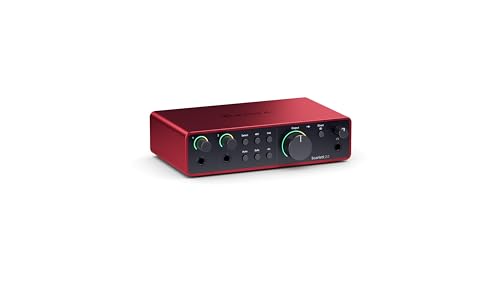
The two-input USB-C interface that lets a real microphone or instrument record cleanly into any laptop.
See it on Amazon →