The companion book
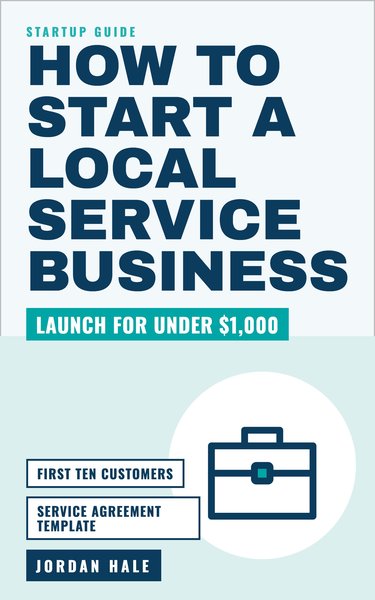
How to Start a Local Service Business
by Jordan Hale
Pressure washing, house cleaning, car detailing, lawn care, holiday lights and other cash businesses you can launch for under $1,000.
Why Christmas Light Installation Pays Big

Christmas light installation is one of the most lucrative seasonal side hustles available. In just 6-8 weeks of work, you can earn what many side hustles take a full year to generate. The demand is massive, homeowners want stunning displays but lack the time, equipment, or comfort with ladders to do it themselves.
The economics are compelling: a typical residential installation pays $300-$600 for 2-4 hours of work. That's $75-$150+ per hour. Add takedown services in January and you've created a complete seasonal income stream. Many installers earn more in their holiday season than they do from traditional part-time jobs year-round.
2026 Season Opportunity
- $6+ billion: US holiday decoration market annually
- 65% of homeowners: Decorate exteriors for holidays
- Growing demand: More elaborate displays each year
- Aging population: Older homeowners increasingly hiring out
- Repeat customers: 70-80% retention year over year
What makes this side hustle exceptional is the concentrated earning window. The work is physically demanding but straightforward, if you're comfortable on ladders and have basic electrical knowledge, you can learn the craft quickly. The seasonal nature means you can maintain another job or business the rest of the year.
The customer base is ideal: homeowners with disposable income who value their time and want professional results. Many become repeat customers year after year, building a reliable client base that virtually guarantees income each season.
Income Potential & Pricing
Pricing varies by region, home size, and complexity, but most installers maintain strong hourly rates. The key is accurate estimating, complex rooflines and tall homes require more time and should be priced accordingly.
Installation Pricing
- Small Home (basic) $200-$400
- Average Home $400-$700
- Large Home $700-$1,500
- Estate/Mansion $1,500-$5,000+
- Commercial Property $1,000-$10,000+
- Per Linear Foot (roofline) $3-$8
Additional Services
- Takedown Only 40-60% of install
- Tree Wrapping (per tree) $50-$200
- Wreath Installation $25-$75 each
- Garland (per foot) $5-$15
- Timer Setup $25-$50
- Repairs/Service Calls $50-$150

Seasonal Income Scenarios
| Commitment | Jobs/Season | Avg. Job | Season Total |
|---|---|---|---|
| Weekends Only | 8-15 installs + takedowns | $450 | $3,600-$6,750 |
| Part-Time (3 days/week) | 20-35 jobs total | $500 | $10,000-$17,500 |
| Full-Time Seasonal | 50-80 jobs total | $550 | $27,500-$44,000 |
| With Helper/Crew | 80-150 jobs total | $600 | $48,000-$90,000 |
The Full Package Advantage
Offer installation + takedown packages at 25-30% discount vs. separate pricing. Customers love the convenience, you lock in January work, and total revenue per customer increases. A $500 install + $250 takedown becomes a $600 package deal, customer saves, you guarantee the return visit.
Services to Offer
Residential Light Installation
Your core service, rooflines, trees, and displays
- ✓ Roofline and gutter lighting
- ✓ Window and door framing
- ✓ Tree and shrub wrapping
- ✓ Pathway and walkway lights
- ✓ Decorative displays
- ✓ Timer and electrical setup
Commercial Installations
Higher revenue, more complex projects
- ✓ Storefront and building displays
- ✓ Shopping center decorations
- ✓ Restaurant and bar lighting
- ✓ Office building displays
- ✓ HOA common areas
- ✓ Church and event venues
Takedown & Storage
January income + customer retention
- ✓ Careful light removal
- ✓ Clip and hanger collection
- ✓ Light testing before storage
- ✓ Organized packaging
- ✓ Optional storage service
- ✓ Inventory for next year
Light Options to Offer
Customer's Lights
Install what they own. Lower price point, potential quality issues.
Professional LED
You provide commercial-grade lights. Higher pricing, better results, repeat sales.
Rental Program
Lease premium lights annually. Highest customer value, you maintain inventory.
Essential Equipment
Quality equipment is essential for safety and efficiency. Invest in professional-grade ladders and tools, this work involves heights and electricity.
Starter Kit ($500-$1,500)
- ▸ Extension ladder: 24-32ft fiberglass ($200-$400)
- ▸ Step ladder: 6-8ft for lower work ($50-$100)
- ▸ Light clips: Various styles, bulk packs ($50-$150)
- ▸ Extension cords: Outdoor-rated, multiple lengths ($50-$100)
- ▸ Wire/zip ties: For securing runs ($20-$40)
- ▸ Electrical tape: Weatherproof ($10-$20)
- ▸ Tool belt: For clips and tools ($30-$60)
Professional Kit ($1,500-$5,000+)
- ▸ Commercial LED lights: Initial inventory ($500-$2,000)
- ▸ Ladder stabilizer: For safety on rooflines ($50-$100)
- ▸ Pole/hook tool: For reaching high points ($30-$80)
- ▸ Light tester: Check strands quickly ($20-$50)
- ▸ Truck/trailer: Ladder rack essential ($0-$5,000)
- ▸ Storage bins: For organized light storage ($50-$200)
- ▸ Smart timers: For customer convenience ($100-$300)
Pro Tip: Commercial-Grade Lights
Invest in commercial LED lights from suppliers like Christmas Designers or HBL Lighting. They last 10+ years, look better, and command premium pricing. The upfront investment pays for itself, customers pay for the lights as part of your service, and you reuse them for years.
Safety & Best Practices
Safety is paramount in this business. Ladder falls and electrical issues are real risks. Never compromise on safety protocols.

Ladder Safety
- ✓ Set ladder on firm, level ground
- ✓ Maintain 3 points of contact always
- ✓ Use stabilizer bars on gutters
- ✓ Never overreach, move the ladder
- ✓ Check weight limits for you + equipment
- ✓ No ladder work in high winds or rain
- ✓ Use ladder levelers on slopes
Electrical Safety
- ✓ Use only outdoor-rated components
- ✓ Check all lights before installation
- ✓ Don't overload circuits (max 80%)
- ✓ Protect connections from moisture
- ✓ Use GFCI outlets or adapters
- ✓ Keep connections off ground/snow
- ✓ Inspect customer's outlets
Insurance Requirements
Get general liability insurance before your first job. This protects you against:
- • Property damage from falls or equipment
- • Electrical fires or damage
- • Personal injury on customer property
- • Customer injury from your installation
Expect $300-$800 for seasonal coverage. Many customers require proof of insurance.
Getting Started Step-by-Step
Get Your Equipment
Purchase essential ladders, clips, and safety gear. Start with customer-provided lights if budget is tight. Plan for vehicle needs, ladder racks are essential.
Practice on Your Home
Install lights on your own house (or offer free installations to family). Time yourself, experiment with clip styles, and perfect your technique before charging customers.
Handle Business Basics
Register your business, get liability insurance (essential!), and create a simple contract covering scope, payment, and liability. Set up payment processing.
Start Marketing Early
Begin marketing in September-October. Create a Google Business Profile, post on Nextdoor and Facebook, and tell everyone you know. Early booking fills your calendar.
Estimate and Book Jobs
Visit homes to estimate. Measure rooflines, assess ladder needs, and check electrical access. Provide written quotes with package options. Collect deposits to secure bookings.
Finding Customers
Digital Marketing
- ✓ Google Business Profile: Essential for local search
- ✓ Nextdoor: Perfect for neighborhood marketing
- ✓ Facebook: Local groups and marketplace
- ✓ Instagram: Before/after photos of displays
- ✓ Thumbtack/Angi: Home service platforms
Traditional Marketing
- ▸ Door hangers: Target upscale neighborhoods
- ▸ Yard signs: At completed jobs with permission
- ▸ Vehicle signage: Magnetic or wrapped
- ▸ HOA newsletters: Community advertising
- ▸ Word of mouth: Referral incentives
Timing Is Everything
Start marketing in September. October bookings are your early birds, offer 10% discount for October installs. November is peak booking. By December, focus on execution. January is takedown season. This 4-month cycle defines your entire year.
Running Your Season
Seasonal Timeline
Begin marketing, update website, order supplies. Start booking early-bird customers.
Peak booking period begins. Early installations start. Heavy marketing push.
Busiest installation month. Work 6-7 days/week. Last-minute bookings fill gaps.
Complete remaining installs by Dec 15. Handle service calls. Relax for holidays.
Takedown season. Schedule efficiently by neighborhood. Inventory and store lights.
Scheduling Tips
- ✓ Group jobs by neighborhood
- ✓ Schedule 2-3 jobs per day max
- ✓ Leave buffer for weather delays
- ✓ Confirm 24-48 hours before
- ✓ Have rain-date policy in contracts
Customer Experience
- ✓ Arrive on time with all equipment
- ✓ Walk through design before starting
- ✓ Test everything before leaving
- ✓ Show customer timer operation
- ✓ Leave cleanup spotless
Income Calculator
Installation Revenue
$12,500
Takedown Revenue
$4,000
Total Season
$16,500
Results vary; these are estimates, not guarantees.
Frequently Asked Questions
Ready to Light Up Your Income?
Spread holiday joy while earning money in just 6-8 weeks.
Explore More Side HustlesEssential Gear for Christmas Light Installers
As an Amazon Associate, we earn from qualifying purchases.
- →Cordless Drill Set Essential for most repairs
- →Multi-Bit Screwdriver Set Handles any screw type
- →Stud Finder Find studs for secure mounting
- →Tool Belt Organizer Keep tools within reach
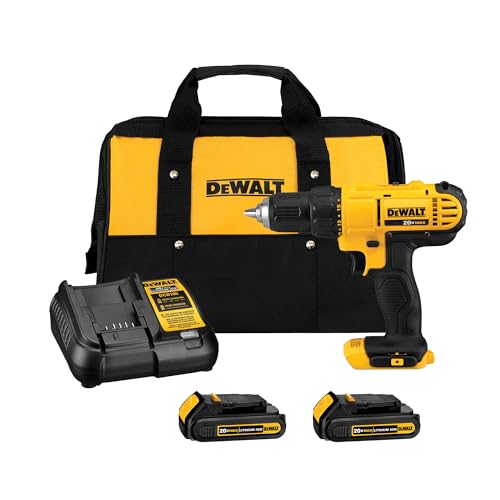
The 20V drill and driver combo that handles assembly, repairs and mounting jobs all day on one battery swap.
See it on Amazon →